
What Is Ringworm?
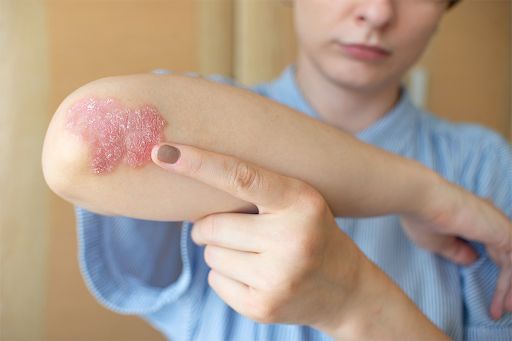
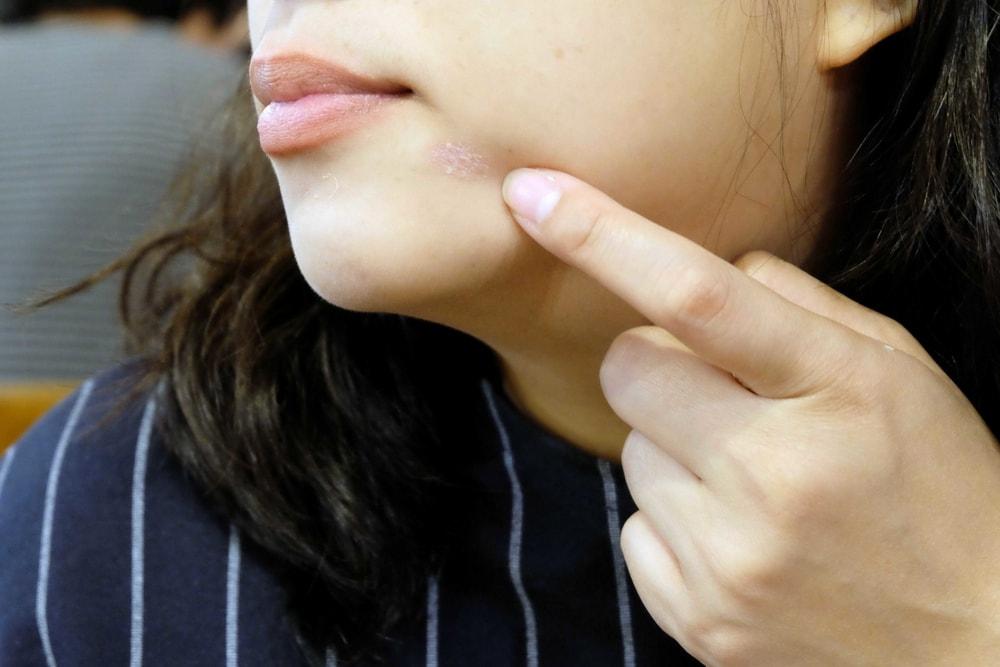
Ringworm is a fungal infection of the skin. Despite its name, ringworm is not caused by a worm. It is caused by fungi called dermatophytes.
తెలుగులో: Ringworm అంటే పురుగు వల్ల వచ్చే వ్యాధి కాదు. ఇది ఒక రకమైన fungal infection. చర్మంపై ఫంగస్ పెరగడం వల్ల దురద, ఎర్రటి లేదా గుండ్రటి patches ఏర్పడవచ్చు.
Ringworm can occur on different parts of the body:
- Body: Tinea corporis
- Groin: Tinea cruris, commonly called jock itch
- Feet: Tinea pedis or athlete’s foot
- Scalp: Tinea capitis
- Nails: Fungal nail infection or tinea unguium
The appearance can vary depending on the location.
Ringworm Symptoms
Common symptoms include:
- Round or ring-shaped skin patches
- Redness
- Itching
- Dry or scaly skin
- Burning or irritation
- Raised edges around the patch
- Gradually increasing patch size
- Cracked skin, especially on the feet
తెలుగులో: దురద, ఎర్రటి మచ్చలు, పొట్టు ఊడటం, గుండ్రంగా విస్తరించే patches ringwormలో సాధారణంగా కనిపించవచ్చు.
However, not every circular rash is ringworm. Conditions such as eczema, psoriasis, allergic rashes and other infections can look similar.
What Medicines Are Used for Ringworm?
Treatment usually involves antifungal medicines. The choice depends on where the infection occurs and how extensive it is.
Common antifungal medicines include:
1. Clotrimazole
Clotrimazole is a commonly used topical antifungal medicine.
It may be used for certain fungal infections affecting the skin.
How it works:
It interferes with the fungal cell membrane, helping stop fungal growth.
తెలుగులో: Clotrimazole ఫంగస్ పెరుగుదలను అడ్డుకోవడానికి పనిచేస్తుంది.
2. Miconazole
Miconazole is another topical antifungal medicine used for several superficial fungal skin infections.
It is available in different formulations, including creams.
Possible uses depend on the specific product and diagnosis.
3. Terbinafine
Terbinafine is an antifungal medicine that can be used for certain fungal skin infections.
Topical terbinafine may be recommended for some forms of ringworm.
Oral terbinafine is a prescription medicine and is generally reserved for situations where systemic treatment is appropriate.
4. Ketoconazole
Ketoconazole is available in topical formulations and is used for certain fungal skin conditions.
Depending on the formulation, it may be used on the skin or scalp.
5. Oral Antifungal Medicines
When ringworm is extensive, difficult to treat, involves the scalp or nails, or does not respond adequately to topical treatment, a doctor may consider an oral antifungal medicine.
Examples include medicines such as:
- Terbinafine
- Itraconazole
- Fluconazole
- Griseofulvin
These medicines should not be self-started.
తెలుగులో: మాత్రల రూపంలో antifungal medicines డాక్టర్ సలహాతో మాత్రమే వాడాలి. కొన్ని oral antifungals can interact with other medicines and may require medical monitoring.
How to Use Antifungal Creams
For a typical superficial skin fungal infection, topical antifungal treatment is often applied to clean, completely dry skin.
General principles
- Wash the affected area gently.
- Dry it thoroughly.
- Apply a thin layer of the antifungal medicine as directed on the product label or by your healthcare professional.
- Wash your hands before and after application.
- Continue treatment for the recommended duration.
Do not stop treatment immediately just because itching improves.
తెలుగులో: దురద తగ్గిందని వెంటనే cream ఆపకండి. Fungal infection పూర్తిగా తగ్గడానికి recommended treatment duration follow చేయడం ముఖ్యం.
Important
Do not apply antifungal cream into the eyes, mouth or other sensitive areas unless the product is specifically intended for that use.
Ringworm Medicine Dosage Principles
There is no single dosage that is correct for everyone.
The dose or frequency depends on:
- The medicine
- Cream, lotion, tablet or another formulation
- Age
- Body area affected
- Severity of infection
- Other medicines being taken
- Liver or kidney problems
- Pregnancy or breastfeeding status
For topical medicines, follow the specific product instructions.
For oral antifungals, the doctor determines the dose and duration.
Never increase the dose yourself
Using more antifungal medicine does not necessarily make the infection disappear faster and can increase irritation or side effects.
తెలుగులో: ఎక్కువ cream రాస్తే త్వరగా తగ్గుతుందని అనుకోవద్దు. అలాగే oral antifungal tablets ను మీరే కొనుక్కొని వాడకండి.
Why Steroid Creams Can Be a Problem
One of the most important points in ringworm treatment is avoiding inappropriate steroid-containing combination creams.
Some creams marketed for itching or skin rashes contain a combination of:
- Antifungal medicine
- Steroid
- Sometimes an antibacterial medicine
A steroid can temporarily reduce redness and itching, but if the underlying problem is ringworm, inappropriate steroid use may allow the fungus to spread or change its appearance.
This can make the infection harder to recognize and treat.
తెలుగులో: Steroid cream వల్ల దురద, redness తాత్కాలికంగా తగ్గవచ్చు. కానీ fungal infection లో తప్పుగా వాడితే infection మరింత spread అవ్వవచ్చు.
Therefore, avoid self-treatment with strong steroid or steroid-combination creams unless specifically prescribed.
Ringworm Medicine Side Effects
Topical antifungal medicines are generally tolerated by many people, but side effects can occur.
Possible local effects include:
- Mild burning
- Stinging
- Redness
- Dryness
- Itching
- Skin irritation
These symptoms are often mild, but persistent or severe reactions should be discussed with a healthcare professional.
Oral antifungals
Systemic antifungal medicines can have more significant side effects depending on the medicine.
Possible effects may include:
- Nausea
- Stomach upset
- Headache
- Diarrhea
- Skin reactions
- Changes in liver function
Rare but serious reactions can occur.
If someone taking an oral antifungal develops symptoms such as yellowing of the skin or eyes, dark urine, severe weakness, severe rash, facial swelling or difficulty breathing, urgent medical evaluation is appropriate.
Ringworm Medicine Precautions
Before using an antifungal medicine, tell your doctor or pharmacist if you:
- Are pregnant or breastfeeding
- Have liver disease
- Have kidney disease
- Have allergies to medicines
- Take multiple prescription medicines
- Have diabetes or another condition affecting immunity
- Are treating a child
- Have a scalp or nail infection
Children
Children may need different treatment depending on age and the location of infection.
Do not automatically use an adult antifungal tablet or cream on a child without appropriate medical advice.
Antifungal Drug Interactions
Drug interactions are particularly important with oral antifungal medicines.
Depending on the medicine, interactions may occur with:
- Certain cholesterol medicines
- Blood thinners
- Some heart medicines
- Certain diabetes medicines
- Some seizure medicines
- Other antifungal medicines
- Some antibiotics
- Certain psychiatric medicines
The exact interaction depends on the antifungal drug and the other medicine.
తెలుగులో: మీరు regular medicines వాడుతున్నట్లయితే, antifungal tablet ప్రారంభించే ముందు doctor/pharmacist కి మీరు వాడుతున్న medicines list చెప్పండి.
Do not assume that an antifungal tablet is safe simply because it is commonly used.
How to Prevent Ringworm From Coming Back
Treatment alone is not enough. Preventing moisture and reinfection is also important.
Follow these habits:
- Keep the affected area clean and dry.
- Change underwear and socks regularly.
- Avoid sharing towels, clothes or personal items.
- Wash clothes and towels regularly.
- Wear breathable clothing.
- Avoid keeping sweaty skin wet for long periods.
- Keep feet dry.
- Wear footwear in communal wet areas.
- Do not scratch the affected area.
- Keep fingernails short.
If you have a pet with suspected fungal skin disease, veterinary evaluation may be necessary because some fungal infections can spread between animals and humans.
1. వ్యక్తిగత పరిశుభ్రతను పాటించండి:
● చర్మాన్ని శుభ్రంగా మరియు పొడిగా ఉంచండి:
మీ శరీరాన్ని ప్రతిరోజూ సబ్బు మరియు నీటితో శుభ్రంగా కడగండి. ముఖ్యంగా చంకలు, గజ్జలు (groin), పాదాలు వంటి ఎక్కువగా చెమట పట్టే భాగాలపై ప్రత్యేక శ్రద్ధ వహించండి. స్నానం చేసిన తర్వాత చర్మాన్ని పూర్తిగా తుడిచి పొడిగా ఉంచడం చాలా ముఖ్యం, ఎందుకంటే తేమ ఎక్కువగా ఉండటం వల్ల ఫంగస్ పెరిగే అవకాశం ఉంటుంది.
● చేతులను తరచుగా కడుక్కోండి:
జంతువులను తాకిన తర్వాత, పబ్లిక్ లేదా సామూహిక సౌకర్యాలను ఉపయోగించిన తర్వాత, అలాగే ఇతరులతో సన్నిహిత శారీరక సంబంధం ఉన్న కార్యకలాపాల్లో పాల్గొన్న తర్వాత చేతులను సబ్బు మరియు నీటితో బాగా కడుక్కోవాలి. ఇది ఫంగల్ ఇన్ఫెక్షన్లు ఒకరి నుంచి మరొకరికి వ్యాపించకుండా సహాయపడుతుంది.
2. సోకిన వ్యక్తులు లేదా జంతువులతో సంబంధాన్ని నివారించండి:
● సన్నిహిత శారీరక సంబంధాన్ని పరిమితం చేయండి:
Ringworm లేదా ఇతర fungal infections ఉన్న వ్యక్తులతో నేరుగా చర్మం-చర్మం తాకేలా ఉండే సన్నిహిత సంబంధాన్ని నివారించండి. వారు చికిత్స పూర్తిచేసుకుని, ఇన్ఫెక్షన్ తగ్గే వరకు జాగ్రత్తలు తీసుకోవడం మంచిది.
● జంతువులతో జాగ్రత్తగా ఉండండి:
మీ ఇంట్లో pets ఉంటే లేదా జంతువులతో తరచుగా పనిచేస్తే, ringworm వ్యాప్తి చెందకుండా తగిన జాగ్రత్తలు తీసుకోండి. జంతువులను క్రమం తప్పకుండా శుభ్రంగా ఉంచడం, వాటి నివాస ప్రదేశాలను పరిశుభ్రంగా ఉంచడం, అలాగే ringworm లక్షణాలు కనిపిస్తే వెంటనే veterinary doctor ను సంప్రదించడం ముఖ్యం.
3. పాదాల పరిశుభ్రతను పాటించండి:
● పాదాలను శుభ్రంగా మరియు పొడిగా ఉంచండి:
రోజూ సబ్బు మరియు నీటితో పాదాలను శుభ్రంగా కడుక్కోండి. ముఖ్యంగా వేళ్ల మధ్య ప్రాంతాన్ని పూర్తిగా పొడిగా తుడవాలి. ఫంగల్ ఇన్ఫెక్షన్ ఇతర ప్రాంతాలకు వ్యాపించకుండా ఉండేందుకు పాదాల కోసం ప్రత్యేకమైన టవల్ను ఉపయోగించడం మంచిది.
● శుభ్రమైన సాక్స్ మరియు షూస్ ధరించండి:
మీ పాదాలకు ఎక్కువగా చెమట పట్టే అలవాటు ఉంటే, సాక్స్ మరియు షూస్ను క్రమం తప్పకుండా మార్చండి. గాలి సులభంగా ప్రసరించే footwear మరియు తేమను గ్రహించే సాక్స్ ఉపయోగించడం ద్వారా పాదాలను పొడిగా ఉంచుకోవచ్చు.
● బహిరంగ ప్రదేశాల్లో చెప్పులు లేకుండా నడవకండి:
Locker rooms, public showers, swimming pool areas వంటి fungal infection సోకే అవకాశం ఎక్కువగా ఉన్న ప్రదేశాల్లో చెప్పులు లేకుండా నడవకుండా జాగ్రత్తపడండి. ఇలాంటి ప్రదేశాల్లో sandals లేదా protective footwear ధరించడం మంచిది.
4. వ్యక్తిగత వస్తువులను ఇతరులతో పంచుకోకండి:
● వ్యక్తిగత వస్తువులను పంచుకోవద్దు:
ఇతరులతో బట్టలు, టవల్స్, హెయిర్ బ్రష్లు, దువ్వెనలు లేదా స్పోర్ట్స్ పరికరాలు వంటి వ్యక్తిగత వస్తువులను పంచుకోకుండా ఉండండి. ఈ వస్తువులపై fungal spores ఉండి, వాటి ద్వారా Ringworm ఇతరులకు వ్యాపించే అవకాశం ఉంటుంది.
● వస్తువులను సరిగ్గా శుభ్రం చేయండి:
మీ వ్యక్తిగత వస్తువుల్లో ఏదైనా fungal infection కు గురై ఉండవచ్చని అనుమానం ఉంటే, తగిన detergentతో వీలైనంత వరకు వేడి నీటిలో వాటిని ఉతకండి. ఇలా చేయడం ద్వారా వాటిపై ఉండే fungal sporesను తొలగించడంలో సహాయపడుతుంది.
5. ఇంటి పరిసరాలను పరిశుభ్రంగా ఉంచండి:
● నివసించే ప్రదేశాలను శుభ్రంగా ఉంచండి:
ఇంట్లోని సాధారణ ప్రదేశాలు, ఉపరితలాలు మరియు చర్మానికి తాకే వస్తువులను క్రమం తప్పకుండా శుభ్రం చేసి, అవసరమైన చోట disinfect చేయండి. ముఖ్యంగా bathroom floors, countertops, gym equipment మరియు wrestling mats వంటి ప్రదేశాలపై ప్రత్యేక శ్రద్ధ వహించండి.
● బెడ్షీట్లు మరియు పరుపులను ఇతరులతో పంచుకోకండి:
మీ ఇంట్లో ఎవరికైనా Ringworm infection ఉంటే, వారికి ప్రత్యేకమైన bedding ఉపయోగించేలా చూడండి. pillows, blankets మరియు bed sheetsను ఇతరులతో పంచుకోకుండా ఉండటం ద్వారా infection వ్యాప్తి చెందే ప్రమాదాన్ని తగ్గించవచ్చు.
సరైన వైద్య చికిత్స మరియు తగిన జాగ్రత్తలు తీసుకోవడం చాలా ముఖ్యం. Ringwormకు సరైన సమయంలో చికిత్స తీసుకోవడం ద్వారా infection మరింత వ్యాప్తి చెందకుండా మరియు సంబంధిత సమస్యలు తలెత్తకుండా సహాయపడుతుంది.
Is Ringworm Contagious?
Yes. Ringworm can spread from person to person.
It may spread through:
- Direct skin-to-skin contact
- Shared towels
- Clothing
- Bedding
- Sports equipment
- Contact with infected animals
తెలుగులో: Ringworm contagious. ఒకరి నుంచి మరొకరికి contact ద్వారా లేదా infected towels, clothes, bedding ద్వారా spread అవ్వవచ్చు.
Avoid sharing personal items until the infection is adequately treated.
When Should You See a Doctor?
Medical evaluation is especially important when:
- The rash is spreading rapidly.
- The scalp is affected.
- Nails are affected.
- There are many affected areas.
- The infection keeps returning.
- Treatment does not appear to be working.
- There is significant swelling or pain.
- There is pus or another sign of bacterial infection.
- The affected person is a young child.
- The person has a weakened immune system.
- You are unsure whether the rash is actually ringworm.
Scalp ringworm usually requires prescription oral treatment and should not be managed with cream alone.
Frequently Asked Questions (FAQs)
1. Is ringworm caused by a worm?
No. Ringworm is a fungal infection, not a worm infection.
తెలుగులో: Ringworm కి పురుగులతో సంబంధం లేదు. ఇది fungus వల్ల వస్తుంది.
2. Can ringworm go away without treatment?
Some mild fungal infections may improve, but untreated ringworm can persist and spread. Appropriate antifungal treatment is usually recommended when ringworm is diagnosed.
3. Can I use an antifungal cream for ringworm?
Certain antifungal creams can treat superficial ringworm. The correct medicine depends on the infection and body area. Follow the product instructions or healthcare professional’s advice.
4. Why is my ringworm spreading after using a cream?
Possible reasons include incorrect diagnosis, inadequate treatment, stopping treatment too early, reinfection, or inappropriate use of a steroid-containing cream.
If the rash is worsening, medical evaluation is recommended.
5. Can I use steroid cream for ringworm?
Do not self-use steroid creams for suspected ringworm. Steroids may temporarily reduce inflammation while allowing fungal infection to persist or spread.
6. How long does ringworm treatment take?
The duration varies according to the infection, medicine, body location and severity. Some superficial infections improve within a few weeks with appropriate treatment, while scalp and nail infections can require longer treatment.
7. Can ringworm come back?
Yes. Reinfection can happen, especially if the infection source remains untreated or personal items remain contaminated.
8. Can I share towels with someone who has ringworm?
It is better not to share towels, clothing or bedding with someone who has an active fungal infection.
Key Takeaways
Ringworm is a fungal infection—not a worm infection.
✔ Antifungal medicines are the main treatment.
✔ Common topical medicines include clotrimazole, miconazole, terbinafine and ketoconazole, depending on the condition and product.
✔ Oral antifungals should generally be used under medical supervision.
✔ Do not self-treat suspected ringworm with steroid creams.
✔ Keep the skin clean and dry.
✔ Avoid sharing towels, clothes and personal items.
✔ Scalp and nail infections often require medical evaluation.
✔ If the rash is spreading or not improving, consult a healthcare professional.
Medical Disclaimer
This article is for educational and informational purposes only and is not a substitute for professional medical advice, diagnosis or treatment. Ringworm can resemble other skin conditions, and the appropriate medicine, strength, frequency and duration depend on the individual situation.
Do not start, stop, increase or change prescription medicines based solely on this article. Oral antifungal medicines can cause side effects and interact with other medicines and may require medical supervision. If symptoms are severe, persistent, spreading, involve the scalp or nails, or you are uncertain about the diagnosis, consult a qualified doctor or dermatologist.
Author: Maddela Shekar, D. Pharmacy
Pharmacist | Health Educator | Founder of HealthVista360
Providing reliable health and medicine information in English & Telugu.