
What Is a UTI?
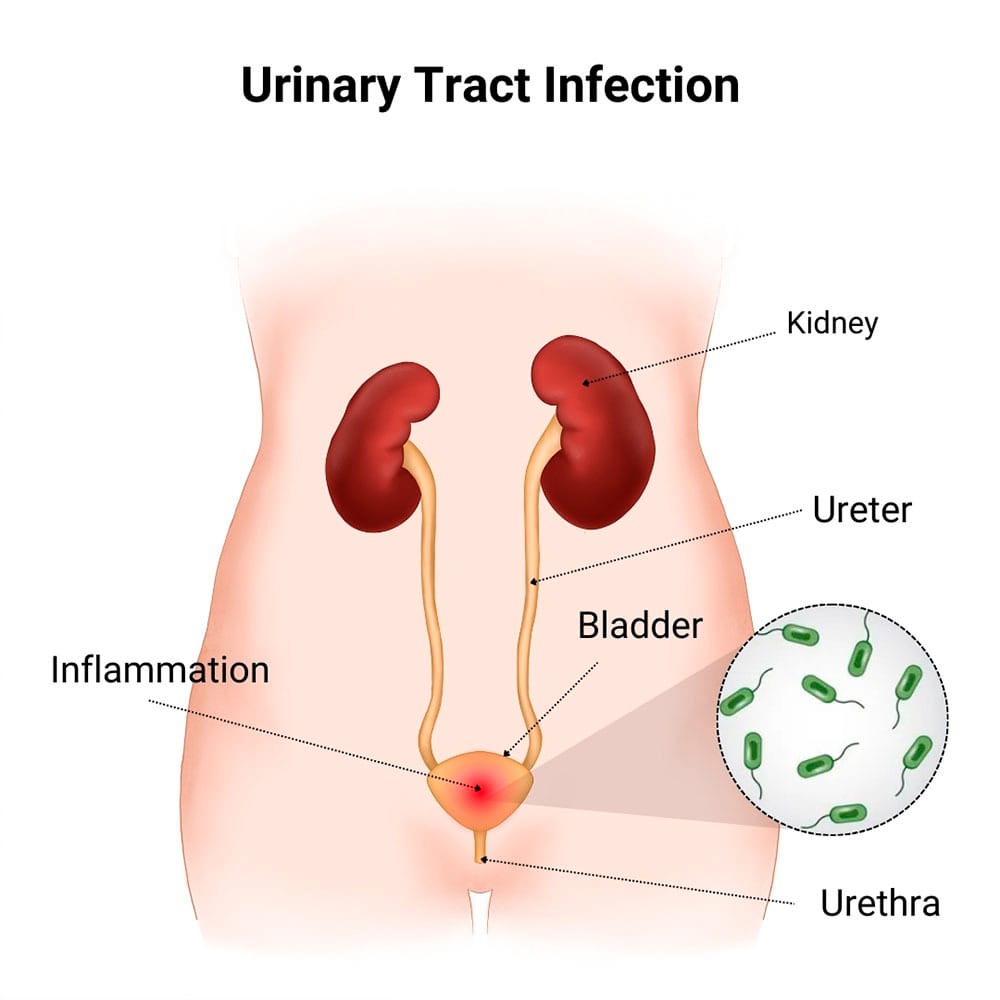
A Urinary Tract Infection (UTI) is an infection affecting part of the urinary system, such as the urethra, bladder, ureters, or kidneys. A bladder infection is also called cystitis. UTIs are more common in women because the female urethra is shorter and located closer to the anus, making it easier for bacteria to enter the urinary tract.
తెలుగులో:
UTI (Urinary Tract Infection) అంటే మూత్రం వెళ్లే మార్గంలో బ్యాక్టీరియా వల్ల వచ్చే ఇన్ఫెక్షన్. ఇది సాధారణంగా bladderలో వస్తే cystitis అని అంటారు. మహిళల్లో UTI ఎక్కువగా రావడానికి ప్రధాన కారణాల్లో ఒకటి మహిళల urethra పురుషుల కంటే చిన్నగా ఉండటం మరియు anusకు దగ్గరగా ఉండటం. అందువల్ల bacteria urinary tractలోకి సులభంగా ప్రవేశించవచ్చు.
Common Symptoms of UTI in Women
Common symptoms may include:
- Burning or pain while urinating
- Frequent urination
- Sudden or strong urge to urinate
- Passing only a small amount of urine
- Lower abdominal discomfort
- Cloudy urine
- Blood in urine
- Strong-smelling urine
తెలుగులో:
మహిళల్లో UTI వచ్చినప్పుడు సాధారణంగా:
- మూత్రం పోసేటప్పుడు మంట లేదా నొప్పి
- తరచుగా మూత్రం రావడం
- వెంటనే urine చేయాలనే strong urge
- కొద్దిగా మాత్రమే urine రావడం
- కింది పొత్తికడుపులో discomfort
- urine cloudyగా కనిపించడం
- కొన్నిసార్లు urineలో blood కనిపించడం
- urine smell ఎక్కువగా ఉండటం
వంటి లక్షణాలు కనిపించవచ్చు.
Why Do Women Get UTIs More Often?
Women have a shorter urethra than men. Bacteria, particularly bacteria originating from the bowel, can enter the urethra and travel toward the bladder. Previous UTIs, sexual activity, menopause, certain contraceptive methods, difficulty emptying the bladder, urinary stones, diabetes, and catheter use can increase risk.
తెలుగులో:
మహిళల్లో urethra చిన్నగా ఉండటం వల్ల bacteria bladder వరకు త్వరగా చేరే అవకాశం ఉంటుంది. గతంలో UTI రావడం, sexual activity, menopause, కొన్ని contraceptive methods, bladder పూర్తిగా empty కాకపోవడం, kidney/urinary stones, diabetes మరియు catheter ఉపయోగించడం వంటి పరిస్థితులు UTI ప్రమాదాన్ని పెంచవచ్చు
What Medicines Are Used for UTI in Women?
Treatment depends on whether the infection is limited to the bladder or has spread toward the kidneys, the likely bacteria, antibiotic resistance, pregnancy status, allergies, kidney function, and other medical factors.
తెలుగులో:
UTIకి ఒకే medicine అందరికీ సరిపోదు. Infection bladder వరకు మాత్రమే ఉందా లేదా kidney వరకు వెళ్లిందా, ఏ bacteria కారణమైందో, antibiotic resistance ఉందా, pregnancy ఉందా, medicine allergy ఉందా, kidney function ఎలా ఉందో వంటి అంశాలను healthcare professional పరిగణనలోకి తీసుకుంటారు.
For uncomplicated bladder infections, commonly considered oral antibiotic options in clinical guidelines include nitrofurantoin, fosfomycin, trimethoprim-sulfamethoxazole (when appropriate), and selected beta-lactam antibiotics. The appropriate choice depends on local resistance patterns and the individual clinical situation.
తెలుగులో:
సాధారణ bladder UTIలో కొన్ని సందర్భాల్లో nitrofurantoin, fosfomycin, trimethoprim-sulfamethoxazole మరియు కొన్ని beta-lactam antibiotics ఉపయోగించబడవచ్చు. కానీ ఏ antibiotic ఎంచుకోవాలో doctor నిర్ణయించాలి. ఎందుకంటే bacteria resistance మరియు patient పరిస్థితులు ఒక్కొక్కరికి భిన్నంగా ఉంటాయి.
1. Nitrofurantoin

Nitrofurantoin is an antibiotic commonly used for certain uncomplicated bladder infections. It concentrates in the urine and is not generally appropriate when a UTI has progressed to kidney infection because it does not achieve adequate levels in kidney tissue.
తెలుగులో:
Nitrofurantoin కొన్ని uncomplicated bladder infectionsలో ఉపయోగించే antibiotic. ఇది urineలో మంచి concentrationకి చేరుతుంది. అయితే infection kidney వరకు వెళ్లినప్పుడు ఇది సరైన ఎంపిక కాకపోవచ్చు, ఎందుకంటే kidney tissueలో అవసరమైన drug levels అందకపోవచ్చు.
Possible side effects
Possible adverse effects vary by medicine, but antibiotic treatment can cause nausea, vomiting, indigestion, bloating, or diarrhoea. Allergic reactions can also occur.
తెలుగులో:
Antibiotics వల్ల nausea, vomiting, indigestion, bloating లేదా diarrhoea వంటి side effects రావచ్చు. కొంతమందికి allergy కూడా రావచ్చు. ఏదైనా severe reaction ఉంటే తక్షణ medical attention అవసరం.
2. Fosfomycin

Fosfomycin is another antibiotic that may be used for certain uncomplicated urinary infections. Oral fosfomycin is generally used differently from antibiotics intended for kidney infections because it does not achieve adequate kidney-tissue levels for pyelonephritis.
తెలుగులో:
Fosfomycin కూడా కొన్ని uncomplicated UTI casesలో ఉపయోగించబడే antibiotic. కానీ kidney infection లేదా pyelonephritisకు oral fosfomycin సాధారణంగా సరైన treatment కాదు, ఎందుకంటే kidney tissueలో సరిపడా drug concentration అందదు.
Important: Some formulations are prescribed as a single oral dose for uncomplicated UTI, but the exact regimen should come from a healthcare professional and the specific product information.
తెలుగులో:
కొన్ని formulations uncomplicated UTI కోసం single oral doseగా prescribe చేయబడతాయి. కానీ dose మరియు timingను patient స్వయంగా నిర్ణయించకూడదు. Doctor prescription లేదా product instructions ఆధారంగా మాత్రమే తీసుకోవాలి.
3. Trimethoprim-Sulfamethoxazole
Trimethoprim-sulfamethoxazole may be used for some uncomplicated UTIs when the causative bacteria are expected or confirmed to be susceptible. Resistance can limit its usefulness.
తెలుగులో:
Trimethoprim-sulfamethoxazole కొన్ని UTI casesలో ఉపయోగించవచ్చు. కానీ bacteriaకి ఈ antibioticపై resistance ఉంటే ఇది పనిచేయకపోవచ్చు. అందుకే local resistance pattern లేదా urine culture results ముఖ్యంగా ఉండవచ్చు.
4. Other Antibiotics
Depending on the situation, healthcare professionals may use selected beta-lactam antibiotics or other antibiotics. More complicated infections can require different treatment, sometimes including intravenous antibiotics.
తెలుగులో:
కొన్ని పరిస్థితుల్లో beta-lactam antibiotics లేదా ఇతర antibiotics ఉపయోగించవచ్చు. Infection complicatedగా ఉంటే లేదా kidney infection ఉంటే treatment పూర్తిగా మారవచ్చు. తీవ్రమైన kidney infectionలో IV antibiotics అవసరం కావచ్చు.
UTI Medicine Dosage Principles
There is no single UTI dosage that is suitable for every woman.
The dose and duration can depend on:
- The antibiotic selected
- Type and severity of infection
- Age
- Pregnancy or breastfeeding
- Kidney function
- Drug allergies
- Previous antibiotic exposure
- Bacterial resistance
- Whether the infection is recurrent or complicated
తెలుగులో:
అందరికీ ఒకే UTI dose ఉండదు. Dose మరియు treatment duration ఈ అంశాలపై ఆధారపడవచ్చు:
- ఏ antibiotic ఉపయోగిస్తున్నారు
- Infection ఎంత తీవ్రంగా ఉంది
- వయస్సు
- Pregnancy లేదా breastfeeding
- Kidney function
- Drug allergy
- గతంలో antibiotics ఉపయోగించారా
- Bacteria resistance ఉందా
- UTI repeatedగా వస్తుందా
- Infection complicatedగా ఉందా
అందువల్ల పాత prescription చూసి అదే antibiotic లేదా అదే doseని మళ్లీ స్వయంగా తీసుకోవడం మంచిది కాదు.
Should You Complete the Antibiotic Course?
If an antibiotic is prescribed, take it exactly as directed by the healthcare professional. Stopping, skipping doses, or changing the treatment without professional advice can contribute to treatment failure and antibiotic resistance.
తెలుగులో:
Doctor antibiotic prescribe చేస్తే, ఆయన/ఆమె సూచించిన విధంగానే తీసుకోవాలి. మధ్యలో symptoms తగ్గాయని medicine ఆపడం, doses skip చేయడం లేదా స్వయంగా dose మార్చడం వల్ల treatment failure మరియు antibiotic resistance ప్రమాదం పెరగవచ్చు.
UTI Medicines: Side Effects
Depending on the antibiotic, possible side effects can include:
- Nausea
- Vomiting
- Diarrhoea
- Stomach discomfort
- Bloating
- Headache
- Skin rash
తెలుగులో:
UTI antibiotics వల్ల కొన్ని మహిళల్లో:
- వికారం
- వాంతులు
- విరేచనాలు
- కడుపులో discomfort
- ఉబ్బరం
- headache
- skin rash
వంటి side effects రావచ్చు. ప్రతి antibioticకి side-effect profile వేర్వేరుగా ఉంటుంది.
Serious allergic reaction
Difficulty breathing, swelling of the lips/face/tongue/throat, wheezing, or a severe skin reaction can indicate a serious allergy and requires urgent medical attention.
తెలుగులో:
శ్వాస తీసుకోవడంలో ఇబ్బంది, పెదాలు/ముఖం/నాలుక/గొంతు వాపు, wheezing లేదా తీవ్రమైన skin reaction కనిపిస్తే serious allergic reaction కావచ్చు. అలాంటి పరిస్థితిలో వెంటనే అత్యవసర వైద్య సహాయం తీసుకోవాలి.
UTI Medicine Precautions
Before taking an antibiotic, tell your doctor or pharmacist about:
- Previous antibiotic allergies
- Pregnancy or plans for pregnancy
- Breastfeeding
- Kidney disease
- Liver disease
- Diabetes
- Recurrent UTIs
- Current medicines and supplements
తెలుగులో:
Antibiotic తీసుకునే ముందు మీకు ఉన్న medicine allergies, pregnancy, breastfeeding, kidney disease, liver disease, diabetes, repeated UTI history మరియు మీరు ప్రస్తుతం తీసుకుంటున్న medicines/supplements గురించి healthcare professionalకి చెప్పాలి.
UTI Medicine Drug Interactions
Some antibiotics can interact with other medicines. The exact interactions depend on the antibiotic.
Potentially relevant medicines may include:
- Blood thinners
- Certain diabetes medicines
- Some blood-pressure medicines
- Antacids or mineral supplements
- Other antibiotics
- Certain medicines affecting kidney function
తెలుగులో:
కొన్ని UTI antibiotics ఇతర medicinesతో interaction కలిగించవచ్చు. Blood thinners, diabetes medicines, కొన్ని BP medicines, antacids/mineral supplements, ఇతర antibiotics మరియు kidneyపై ప్రభావం చూపే medicines వంటివి ముఖ్యమైనవి కావచ్చు.
అందుకే మీరు తీసుకుంటున్న అన్ని medicines పేర్లు doctor/pharmacistకి చెప్పడం మంచిది. Specific antibiotic తెలియకుండా interaction listను generalగా మాత్రమే చూడాలి.
UTI During Pregnancy
Pregnancyలో UTIని సాధారణంగా నిర్లక్ష్యం చేయకూడదు. Pregnancyలో urinary bacteria/infection kidney infection ప్రమాదాన్ని పెంచవచ్చు, అందువల్ల healthcare professional assessment అవసరం.
తెలుగులో:
Pregnancy సమయంలో UTI symptoms ఉంటే self-medication చేయకూడదు. Pregnancyలో కొన్ని antibiotics ఉపయోగించవచ్చు కానీ అన్ని antibiotics safe కావు. కాబట్టి pregnancyలో medicine selection, dose మరియు duration doctor నిర్ణయించాలి.
When Can a Urine Test Be Needed?
Healthcare professionals may use urinalysis and urine culture to help diagnose a UTI. Urine culture can identify bacteria and may help determine which antibiotics are suitable.
తెలుగులో:
UTI diagnosis కోసం urine routine/urinalysis మరియు urine culture వంటి tests ఉపయోగించవచ్చు. Urine culture ద్వారా ఏ bacteria ఉందో తెలుసుకోవడానికి మరియు ఏ antibiotic పనిచేసే అవకాశం ఉందో నిర్ణయించడానికి సహాయం లభించవచ్చు.
Repeated UTIs may require further evaluation to identify causes such as urinary stones or other urinary-tract problems.
తెలుగులో:
UTI పదే పదే వస్తుంటే kidney stone లేదా urinary tractలో ఇతర సమస్యలు ఉన్నాయా అని further evaluation అవసరం కావచ్చు.
Home Care and Hydration
Adequate fluid intake can help maintain hydration and may help flush bacteria from the urinary tract. Water is generally the preferred drink. However, people with conditions requiring fluid restriction should follow their healthcare professional’s advice.
తెలుగులో:
సరిపడా fluids తీసుకోవడం hydration maintain చేయడానికి మరియు urinary tract నుంచి bacteria బయటకు వెళ్లడానికి సహాయపడవచ్చు. సాధారణంగా water మంచి choice. అయితే kidney failure, heart disease లేదా fluid restriction అవసరమయ్యే పరిస్థితులు ఉన్నవారు fluids ఎంత తీసుకోవాలో healthcare professional advice పాటించాలి.
Healthy urinary habits
- Do not regularly hold urine for long periods.
- Empty the bladder when you need to urinate.
- Wipe from front to back after using the toilet.
- Maintain good personal hygiene.
- Stay adequately hydrated.
తెలుగులో:
- ఎక్కువసేపు urineని ఆపుకోవడం అలవాటుగా చేసుకోకండి.
- Urge వచ్చినప్పుడు bladder empty చేయండి.
- Toilet తర్వాత front నుంచి back వైపు clean చేయడం మంచిది.
- Personal hygiene maintain చేయండి.
- శరీరానికి అవసరమైనంత fluids తీసుకోండి.
Can Cranberry Juice Cure a UTI?
Cranberry products are sometimes promoted for urinary health. However, they do not treat an existing UTI. Evidence about whether they prevent recurrent UTIs is still not conclusive.
తెలుగులో:
Cranberry juice లేదా cranberry supplements UTIకి popular home remedyలా ప్రచారం చేయబడతాయి. కానీ ఇప్పటికే వచ్చిన UTIని ఇవి treat చేయవు. Recurrent UTI preventionలో ఉపయోగం ఉండవచ్చని కొన్ని researchలు సూచించినప్పటికీ, evidence పూర్తిగా conclusive కాదు.
When Is UTI an Emergency?
Seek prompt medical evaluation if UTI symptoms occur along with:
- Fever or chills
- Pain in the back or side
- Nausea or vomiting
- Blood in urine
- Rapid worsening of symptoms
- Pregnancy
- Significant weakness or feeling very unwell
These symptoms can indicate that the infection may have progressed toward the kidneys.
తెలుగులో:
UTI symptomsతో పాటు fever, chills, వెన్ను లేదా side pain, vomiting, urineలో blood, symptoms వేగంగా worsen అవడం లేదా pregnancy ఉంటే త్వరగా medical evaluation అవసరం. ఇవి kidney infection వంటి సమస్యకు సూచనలు కావచ్చు.
Frequently Asked Questions (FAQs)
1. What is the most common medicine for UTI in women?
There is no single medicine that is best for every woman. Depending on the type of UTI and other factors, healthcare professionals may use antibiotics such as nitrofurantoin, fosfomycin, trimethoprim-sulfamethoxazole, or selected beta-lactams.
తెలుగులో:
ప్రతి మహిళకు ఒకే “best UTI medicine” ఉండదు. Infection type, bacterial resistance, pregnancy, kidney function మరియు allergies వంటి అంశాల ఆధారంగా doctor nitrofurantoin, fosfomycin, trimethoprim-sulfamethoxazole లేదా కొన్ని beta-lactam antibioticsలో ఒకదాన్ని ఎంచుకోవచ్చు.
2. Can I buy UTI antibiotics without consulting a doctor?
Antibiotic selection should ideally be based on proper clinical assessment rather than self-medication.
తెలుగులో:
UTI symptoms వచ్చాయని మాత్రమే pharmacy నుంచి antibiotic తీసుకుని స్వయంగా ప్రారంభించడం మంచిది కాదు. సరైన diagnosis మరియు appropriate antibiotic selection కోసం healthcare professional advice తీసుకోవడం మంచిది.
3. Can UTI go away without antibiotics?
Some urinary symptoms may have causes other than bacterial UTI, and antibiotics are not always required. However, a confirmed bacterial bladder infection may require antibiotics, particularly when symptoms are significant or persistent.
తెలుగులో:
ప్రతి burning urination లేదా frequency UTI వల్లనే వస్తుందని కాదు. కొన్ని symptomsకి ఇతర causes ఉండవచ్చు. కానీ bacterial bladder infection ఉంటే పరిస్థితిని బట్టి antibiotics అవసరం కావచ్చు.
4. Is UTI common in women?
Yes. Bladder infections are more common in women than men, and many women experience a bladder infection at least once during their lifetime.
తెలుగులో:
అవును. Menతో పోలిస్తే womenలో bladder infections ఎక్కువగా కనిపిస్తాయి. చాలా మంది మహిళలకు జీవితంలో కనీసం ఒకసారి bladder infection రావచ్చు.
5. Can UTI spread to the kidneys?
Yes. An untreated bladder infection can progress to a kidney infection. Fever, chills, vomiting, and back or side pain are important warning signs.
తెలుగులో:
అవును. Bladderలో ప్రారంభమైన infection kidneyకి spread కావచ్చు. Fever, chills, vomiting మరియు back/side pain ఉంటే kidney involvement గురించి medical evaluation అవసరం.
6. Can pregnant women take UTI medicine?
Pregnant women can be treated for UTI, but antibiotic selection must be made carefully because not every medicine is appropriate during pregnancy.
తెలుగులో:
Pregnancyలో UTIకి treatment ఉంటుంది. కానీ అన్ని antibiotics pregnancyలో suitable కావు. అందువల్ల pregnant women self-medication చేయకుండా healthcare professional guidance తీసుకోవాలి.
7. Does drinking water cure UTI?
Water can help maintain hydration and may help the urinary tract flush bacteria, but water alone should not be considered a replacement for appropriate treatment of a bacterial UTI.
తెలుగులో:
Water తాగడం hydrationకి సహాయపడుతుంది మరియు urinary tract నుంచి bacteria బయటకు వెళ్లడానికి సహాయపడవచ్చు. కానీ bacterial UTI ఉంటే water మాత్రమే antibiotic treatmentకి replacement కాదు.
Final Takeaway
UTIs are common in women, but the correct treatment depends on the type and severity of infection. Antibiotics such as nitrofurantoin, fosfomycin, trimethoprim-sulfamethoxazole and selected beta-lactams may be used in appropriate cases, but the choice, dose and duration should be determined according to the clinical situation and current prescribing guidance.
తెలుగులో:
మహిళల్లో UTI సాధారణంగా కనిపించే infection అయినప్పటికీ, అందరికీ ఒకే medicine లేదా dose సరిపోదు. Nitrofurantoin, fosfomycin, trimethoprim-sulfamethoxazole మరియు కొన్ని beta-lactam antibiotics కొన్ని పరిస్థితుల్లో ఉపయోగించబడవచ్చు. కానీ ఏ medicine, ఎంత dose, ఎన్ని రోజులు అనేది infection type, pregnancy, kidney function, allergy మరియు bacterial resistance వంటి అంశాలను బట్టి healthcare professional నిర్ణయించాలి.
Medical Disclaimer
English:
This article is intended for general educational and informational purposes only. It does not provide a diagnosis, prescription, or individualized medical advice. UTI symptoms can have different causes, and antibiotic choice depends on the individual’s clinical condition, allergies, pregnancy status, kidney function, bacterial resistance, and other factors. Do not start, stop, change, or reuse prescription antibiotics without appropriate advice from a qualified healthcare professional. If symptoms are severe, recurrent, occur during pregnancy, or are associated with fever, vomiting, blood in urine, or back/side pain, seek medical evaluation promptly.
తెలుగు:
ఈ వ్యాసం సాధారణ ఆరోగ్య అవగాహన మరియు educational information కోసం మాత్రమే. ఇది వ్యక్తిగత diagnosis, prescription లేదా individualized medical advice కాదు. UTI symptomsకి వివిధ కారణాలు ఉండవచ్చు. Antibiotic selection అనేది patient condition, allergies, pregnancy, kidney function, bacterial resistance మరియు ఇతర medical factorsపై ఆధారపడి ఉంటుంది. Qualified healthcare professional సలహా లేకుండా prescription antibioticsను స్వయంగా ప్రారంభించడం, ఆపడం, dose మార్చడం లేదా పాత antibioticsను మళ్లీ ఉపయోగించడం చేయకండి. తీవ్రమైన symptoms, repeated UTI, pregnancy, fever, vomiting, urineలో blood లేదా back/side pain ఉంటే prompt medical evaluation తీసుకోండి.
Author: Maddela Shekar, D. Pharmacy
Pharmacist | Health Educator | Founder of HealthVista360
Providing reliable health and medicine information in English & Telugu.