
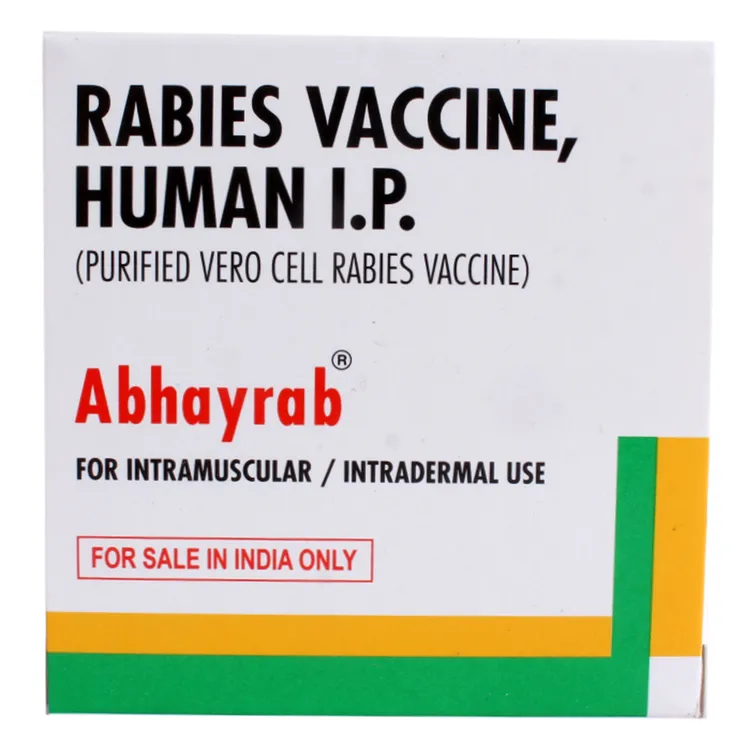
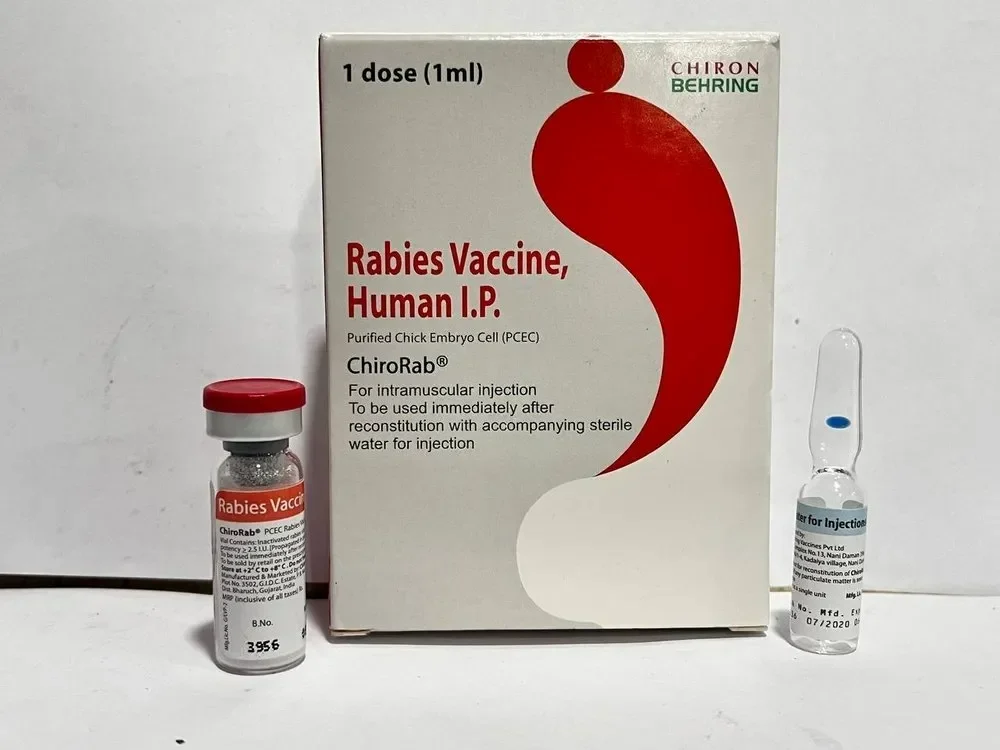
Rabies Vaccine is a life-saving vaccine used to prevent rabies after exposure to potentially infected animals and, in selected high-risk people, before exposure. Rabies is a viral infection that affects the nervous system and becomes almost invariably fatal once clinical symptoms appear. However, timely wound washing, rabies vaccination and, when indicated, rabies immunoglobulin can prevent the disease after exposure. World Health Organization
రేబీస్ వ్యాక్సిన్ అనేది ప్రాణాలను కాపాడే ముఖ్యమైన వ్యాక్సిన్. రేబీస్ సోకే అవకాశం ఉన్న జంతువు కరిచినప్పుడు లేదా గోకినప్పుడు వ్యాధి రాకుండా నివారించడానికి దీనిని ఉపయోగిస్తారు. కొన్ని అధిక ప్రమాదం ఉన్న వృత్తుల్లో పనిచేసే వారికి ముందస్తు రక్షణ కోసం కూడా వ్యాక్సిన్ ఇవ్వవచ్చు. రేబీస్ వైరస్ నాడీ వ్యవస్థను ప్రభావితం చేస్తుంది. లక్షణాలు మొదలైన తర్వాత వ్యాధి దాదాపు ఎల్లప్పుడూ ప్రాణాంతకంగా మారుతుంది. అయితే జంతువు కరిచిన వెంటనే గాయాన్ని కనీసం 15 నిమిషాలు సబ్బు, నీటితో కడగడం, అవసరమైన రేబీస్ వ్యాక్సిన్ తీసుకోవడం, అవసరమైతే Rabies Immunoglobulin (RIG) ఇవ్వడం ద్వారా వ్యాధిని నివారించవచ్చు.
What Is Rabies Vaccine? | రేబీస్ వ్యాక్సిన్ అంటే ఏమిటి?
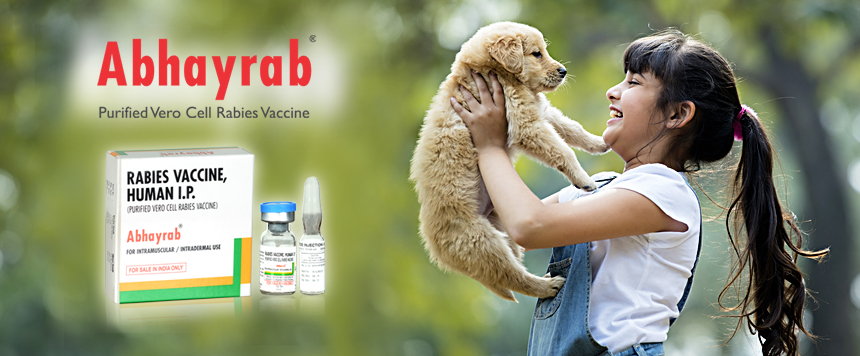
Rabies vaccine is a modern cell-culture vaccine that stimulates the immune system to produce protection against the rabies virus. Modern cell-culture vaccines are recommended instead of older nerve-tissue vaccines. Both intramuscular (IM) and intradermal (ID) routes are used depending on the approved product, national protocol and clinical situation. World Health Organization
రేబీస్ వ్యాక్సిన్ ఆధునిక cell-culture vaccine. ఇది మన రోగనిరోధక వ్యవస్థను ప్రేరేపించి రేబీస్ వైరస్కు వ్యతిరేకంగా రక్షణ కలిగించే immune response ఏర్పడేలా చేస్తుంది. పాత nerve-tissue vaccines కంటే ఆధునిక cell-culture vaccinesనే WHO మరియు సంబంధిత ఆరోగ్య మార్గదర్శకాలు సిఫారసు చేస్తున్నాయి. వ్యాక్సిన్ను Intramuscular (IM) లేదా Intradermal (ID) మార్గంలో ఇవ్వవచ్చు. ఏ విధానం ఉపయోగించాలన్నది వ్యాక్సిన్ ఉత్పత్తి, ఆసుపత్రి/కేంద్రంలో అనుసరించే ప్రోటోకాల్ మరియు వ్యక్తి పరిస్థితిపై ఆధారపడి ఉంటుంది. World Health Organization
Why Is Rabies Vaccine Important? | రేబీస్ వ్యాక్సిన్ ఎందుకు ముఖ్యమైనది?
Rabies is mainly transmitted through the saliva of an infected mammal, most commonly through bites or scratches. Dog-mediated transmission accounts for the vast majority of human rabies cases worldwide. Once clinical symptoms appear, rabies is virtually 100% fatal, making early prevention extremely important. World Health Organization
రేబీస్ ప్రధానంగా సోకిన జంతువు లాలాజలం ద్వారా మనిషికి సంక్రమిస్తుంది. ముఖ్యంగా కుక్క కాటు, గోకడం, తెగిన చర్మంపై లాలాజలం పడటం లేదా కళ్ల/నోటి వంటి mucous membranesకు లాలాజలం తగలడం ద్వారా ప్రమాదం ఉంటుంది. ప్రపంచవ్యాప్తంగా మనుషులకు వచ్చే రేబీస్ కేసుల్లో ఎక్కువ భాగం కుక్కల ద్వారా వస్తాయి. లక్షణాలు మొదలైన తర్వాత రేబీస్ దాదాపు 100% ప్రాణాంతకంగా ఉంటుంది. అందుకే జంతువు కరిచిన తర్వాత “చూద్దాం” అని ఆలస్యం చేయకుండా వెంటనే వైద్య సహాయం తీసుకోవడం చాలా ముఖ్యం.
Rabies Vaccine Uses | రేబీస్ వ్యాక్సిన్ ఉపయోగాలు
1. Post-Exposure Prophylaxis (PEP)
Rabies vaccine is commonly used as part of post-exposure prophylaxis after a possible rabies exposure. PEP may include wound washing, rabies vaccine and rabies immunoglobulin when indicated. World Health Organization
Post-Exposure Prophylaxis అంటే జంతువు కరిచిన లేదా రేబీస్కు గురయ్యే అవకాశం ఉన్న తర్వాత వ్యాధి రాకుండా తీసుకునే రక్షణ చర్యలు. ఇందులో గాయాన్ని వెంటనే శుభ్రంగా కడగడం, అవసరమైన vaccine doses తీసుకోవడం మరియు Category III వంటి అధిక ప్రమాద exposureలో RIG లేదా సంబంధిత passive immunization ఇవ్వడం ఉంటుంది. World Health Organization
2. Pre-Exposure Prophylaxis (PrEP)
Pre-exposure vaccination may be recommended for people who have continual, frequent or increased occupational or environmental risk of rabies exposure. Examples can include certain laboratory workers, animal handlers and people working closely with potentially rabid animals. World Health Organization
జంతువులతో తరచుగా పనిచేసే లేదా రేబీస్ వైరస్కు అధిక exposure ఉండే కొన్ని వృత్తుల వారికి exposure రాకముందే ముందస్తు రక్షణ కోసం Rabies vaccine ఇవ్వవచ్చు. ఉదాహరణకు కొన్ని laboratory workers, animal handlers మరియు రేబీస్ ప్రమాదం ఎక్కువగా ఉన్న జంతువులతో నిరంతరం పనిచేసే వ్యక్తులు ఈ వర్గంలోకి రావచ్చు. World Health Organization
What Should You Do After a Dog or Animal Bite? | జంతువు కరిచిన వెంటనే ఏం చేయాలి?
The first step is immediate and thorough wound washing. WHO recommends washing and flushing the wound with soap and running water for at least 15 minutes. Medical evaluation should then be sought promptly to determine whether rabies vaccine and/or rabies immunoglobulin are needed. World Health Organization
జంతువు కరిచిన వెంటనే మొదట చేయాల్సిన పని గాయాన్ని బాగా కడగడం. సబ్బు మరియు ప్రవహించే నీటితో కనీసం 15 నిమిషాల పాటు గాయాన్ని శుభ్రంగా కడగాలి. ఆ తర్వాత ఆలస్యం చేయకుండా వైద్య కేంద్రానికి వెళ్లి exposure categoryని అంచనా వేయించుకోవాలి. వ్యాక్సిన్ అవసరమా, RIG అవసరమా అనే నిర్ణయం గాయం రకం మరియు exposure ఆధారంగా healthcare professional తీసుకుంటారు. World Health Organization
Do not apply irritant substances or attempt to close a fresh animal-bite wound yourself. Medical professionals may decide about suturing, tetanus protection and antibiotics according to the wound. World Health Organization
గాయంపై ఇంటి చిట్కాల పేరుతో హానికరమైన పదార్థాలు రాయడం లేదా స్వయంగా గాయం కుట్టడం చేయకండి. అవసరమైతే వైద్యుడు tetanus protection, antibiotics లేదా wound management గురించి నిర్ణయిస్తారు. World Health Organization
Rabies Exposure Categories | రేబీస్ Exposure Categories
Category I
Touching or feeding an animal, or a lick on intact skin, is generally classified as Category I exposure. Rabies PEP is generally not indicated for Category I exposure. NCDC
జంతువును తాకడం, ఆహారం పెట్టడం లేదా ఎలాంటి గాయం లేని చర్మంపై మాత్రమే జంతువు లాలాజలం పడటం సాధారణంగా Category I exposureగా పరిగణిస్తారు. ఈ పరిస్థితిలో సాధారణంగా rabies vaccine లేదా RIG అవసరం ఉండదు. అయితే exposureపై సందేహం ఉంటే వైద్య నిపుణుడిని సంప్రదించడం మంచిది. NCDC
Category II
Minor scratches or abrasions without bleeding and nibbling of uncovered skin are generally Category II exposures. Immediate rabies vaccination is recommended for people who have not previously completed rabies vaccination. NCDC
రక్తస్రావం లేకుండా చిన్న గీతలు, scratches లేదా uncovered skinను nibble చేయడం Category II exposureగా పరిగణించవచ్చు. గతంలో పూర్తి rabies vaccination తీసుకోని వ్యక్తులకు సాధారణంగా vaccine అవసరం ఉంటుంది. గాయాన్ని వెంటనే కడగడం కూడా తప్పనిసరి. NCDC
Category III
Deep or transdermal bites or scratches, saliva contact with broken skin or mucous membranes are considered higher-risk Category III exposures. Rabies vaccine plus rabies immunoglobulin is generally recommended for previously unvaccinated people. NCDC
లోతైన కాటు, చర్మాన్ని దాటి గాయం కావడం, రక్తస్రావంతో కూడిన scratches, తెగిన చర్మంపై లాలాజలం పడటం లేదా కళ్ల/నోటి వంటి mucous membranesకు లాలాజలం తగలడం అధిక ప్రమాద exposureగా పరిగణించవచ్చు. గతంలో పూర్తి rabies vaccination తీసుకోని వ్యక్తుల్లో ఇలాంటి exposureకు vaccineతో పాటు RIG కూడా అవసరం కావచ్చు. NCDC
Rabies Vaccine Dosage Principles | రేబీస్ వ్యాక్సిన్ మోతాదు సూత్రాలు
Rabies vaccine does not have one universal schedule for every person. The schedule depends on whether vaccination is being given after exposure or before exposure, whether the person was previously vaccinated, the route used, the vaccine product and the national protocol. NCDC
ప్రతి వ్యక్తికి ఒకే రకమైన rabies vaccine schedule ఉండదు. వ్యాక్సిన్ exposure తర్వాత ఇస్తున్నారా లేదా ముందస్తు రక్షణ కోసం ఇస్తున్నారా, గతంలో పూర్తి rabies vaccination తీసుకున్నారా, ID లేదా IM route ఉపయోగిస్తున్నారా, ఏ vaccine product ఉపయోగిస్తున్నారు మరియు స్థానిక/national guidelines ఏమి చెబుతున్నాయి అనే అంశాలపై schedule ఆధారపడి ఉంటుంది. అందుకే స్వయంగా doses నిర్ణయించుకోకూడదు. NCDC
Indian National Guideline Example
India’s National Rabies Control Programme describes an intradermal PEP schedule of 0.1 mL at two sites on days 0, 3, 7 and 28 for previously unvaccinated, immunocompetent people, and an intramuscular schedule of one full vaccine vial on days 0, 3, 7, 14 and 28. NCDC
భారతదేశ National Rabies Control Programme ప్రకారం, గతంలో rabies vaccination తీసుకోని, సాధారణ immune function ఉన్న వ్యక్తుల్లో ID route ద్వారా 0.1 mL చొప్పున రెండు sitesలో Day 0, 3, 7, 28 తేదీల్లో ఇవ్వడం ఒక regimenగా ఉంది. IM routeలో ఒక పూర్తి vaccine vialను Day 0, 3, 7, 14, 28 తేదీల్లో ఇవ్వడం మరో regimenగా ఉంది. అయితే ఏ schedule మీకు వర్తిస్తుందో healthcare professional నిర్ణయించాలి. NCDC
Previously vaccinated people generally require a shorter re-exposure regimen, commonly two vaccine doses on days 0 and 3, without routine RIG. Documentation of previous complete vaccination is important. NCDC
గతంలో పూర్తి rabies vaccination తీసుకున్న వ్యక్తికి మళ్లీ exposure జరిగితే సాధారణంగా తక్కువ dosesతో re-exposure schedule ఉపయోగిస్తారు. భారత మార్గదర్శకాల్లో Day 0 మరియు Day 3న రెండు doses ఇవ్వడం పేర్కొనబడింది. ఇలాంటి సందర్భాల్లో సాధారణంగా RIG అవసరం ఉండదు. అయితే గతంలో vaccination పూర్తిగా తీసుకున్నట్లు నిర్ధారించగల సమాచారం ఉండటం ముఖ్యం. NCDC
Important: The exact dose and schedule must be determined by a qualified healthcare professional and the vaccine’s approved instructions. Do not delay PEP while trying to calculate the schedule yourself.
ముఖ్యమైన విషయం: ఖచ్చితమైన dose మరియు scheduleను qualified healthcare professional, ఉపయోగిస్తున్న vaccine product instructions మరియు వర్తించే national protocol ఆధారంగా నిర్ణయించాలి. మీరు స్వయంగా లెక్కలు వేసుకుని PEP ఆలస్యం చేయకండి.
Where Is Rabies Vaccine Injected? | వ్యాక్సిన్ ఎక్కడ ఇస్తారు?
For intramuscular vaccination, adults and children are generally vaccinated in the deltoid region. Infants and small children may receive an intramuscular injection in the anterolateral thigh. Rabies vaccine should not be injected into the buttock. NCDC
IM routeలో పెద్దలు మరియు పిల్లలకు సాధారణంగా deltoid ప్రాంతంలో వ్యాక్సిన్ ఇస్తారు. చిన్న శిశువులు మరియు చిన్న పిల్లలకు anterolateral thigh ప్రాంతాన్ని ఉపయోగించవచ్చు. Rabies vaccineను buttock/gluteal regionలో ఇవ్వకూడదని భారత మార్గదర్శకాలు చెబుతున్నాయి. NCDC
What Is Rabies Immunoglobulin (RIG)? | RIG అంటే ఏమిటి?
Rabies immunoglobulin provides immediate passive antibodies at the exposure site and is used along with vaccine for appropriate high-risk exposures, especially Category III exposures in previously unvaccinated people. It should be infiltrated into and around the wound as soon as possible, according to clinical guidance. NCDC
RIG అనేది vaccineకి భిన్నమైన passive immunization treatment. ఇది శరీరం స్వయంగా antibodies తయారు చేసుకునే వరకు వేచి ఉండకుండా, exposure site వద్ద వెంటనే రక్షణ కల్పించేందుకు ఉపయోగిస్తారు. ముఖ్యంగా previously unvaccinated వ్యక్తుల్లో Category III exposure ఉన్నప్పుడు vaccineతో పాటు RIG అవసరం కావచ్చు. RIGను గాయం చుట్టూ మరియు గాయంలోకి clinical protocol ప్రకారం infiltrate చేస్తారు. NCDC
Indian guidelines state that RIG should not be administered later than the seventh day after the first vaccine dose. NCDC
భారత మార్గదర్శకాల ప్రకారం మొదటి rabies vaccine dose ఇచ్చిన తర్వాత ఏడవ రోజు దాటిన తర్వాత RIG ఇవ్వకూడదు. అందువల్ల Category III exposure ఉన్నప్పుడు RIG అవసరమా అనే నిర్ణయం వెంటనే తీసుకోవడం చాలా ముఖ్యం. NCDC
Rabies Vaccine Side Effects | రేబీస్ వ్యాక్సిన్ Side Effects
Most vaccine-related reactions are mild and temporary. Common reactions can include pain, redness or swelling at the injection site, headache, tiredness, fever or general discomfort.
సాధారణంగా rabies vaccine వల్ల వచ్చే side effects తేలికపాటివిగా, తాత్కాలికంగా ఉంటాయి. injection వేసిన ప్రదేశంలో నొప్పి, ఎర్రబడటం లేదా వాపు, తలనొప్పి, అలసట, స్వల్ప జ్వరం లేదా సాధారణంగా అసౌకర్యంగా అనిపించడం వంటి లక్షణాలు రావచ్చు.
Rare but Serious Reactions
Severe allergic reactions are uncommon but can occur. Symptoms such as difficulty breathing, facial or throat swelling, widespread hives, severe dizziness or collapse require urgent medical attention.
తీవ్రమైన allergic reaction చాలా అరుదుగా వచ్చినప్పటికీ సంభవించవచ్చు. శ్వాస తీసుకోవడంలో ఇబ్బంది, ముఖం లేదా గొంతు వాపు, శరీరమంతా తీవ్రమైన దద్దుర్లు, తీవ్రమైన తల తిరగడం లేదా స్పృహ కోల్పోవడం వంటి లక్షణాలు కనిపిస్తే వెంటనే అత్యవసర వైద్య సహాయం పొందాలి.
Rabies Vaccine Precautions | జాగ్రత్తలు
Tell the healthcare professional about previous rabies vaccination, known allergies, immune-system problems and medicines that may affect immunity. People with immune suppression may require a different route or additional clinical monitoring. NCDC
మీకు గతంలో rabies vaccine తీసుకున్న చరిత్ర, ఏదైనా allergy, immune system సమస్య లేదా immunityని ప్రభావితం చేసే medicines ఉంటే healthcare professionalకు తప్పనిసరిగా చెప్పాలి. ముఖ్యంగా immunocompromised వ్యక్తుల్లో ID route ఎల్లప్పుడూ సరైన ఎంపిక కాకపోవచ్చు; భారత మార్గదర్శకాలు ఇలాంటి పరిస్థితుల్లో ప్రత్యేక జాగ్రత్త అవసరమని చెబుతున్నాయి. NCDC
Pregnancy and breastfeeding are not reasons to withhold life-saving rabies PEP when exposure has occurred. WHO states that PEP can be safely given to pregnant women, infants and immunocompromised people when indicated. World Health Organization
గర్భధారణ లేదా breastfeeding కారణంగా అవసరమైన rabies PEPను సాధారణంగా ఆపకూడదు. WHO ప్రకారం exposure జరిగినప్పుడు అవసరమైన PEPను గర్భిణీలు, శిశువులు మరియు immunocompromised వ్యక్తులకు కూడా ఇవ్వవచ్చు. అయితే treatment planను healthcare professional నిర్ణయించాలి
Rabies Vaccine Drug Interactions | రేబీస్ వ్యాక్సిన్ Drug Interactions
Rabies vaccine is not known for the type of drug interactions seen with many oral medicines. However, medicines or medical conditions that suppress the immune system can affect vaccine response. Examples include prolonged corticosteroid treatment and other immunosuppressive therapies. NCDC
Rabies vaccineకు సాధారణ tabletsలో కనిపించే రకమైన drug interactions ఎక్కువగా ఉండవు. అయితే immune systemను తగ్గించే medicines లేదా treatments vaccine responseను ప్రభావితం చేయవచ్చు. ఉదాహరణకు long-term corticosteroids మరియు ఇతర immunosuppressive treatments ఉన్నాయి. అలాంటి medicines వాడుతున్నట్లయితే vaccination centre లేదా doctorకు ముందుగానే చెప్పాలి. NCDC
The Indian guideline specifically notes that intradermal vaccination is not preferred for people receiving chloroquine, hydroxychloroquine, long-term corticosteroids or other immunosuppressive therapy. NCDC
భారత National Rabies Prophylaxis guideline ప్రకారం chloroquine, hydroxychloroquine, long-term corticosteroids లేదా ఇతర immunosuppressive therapy తీసుకునే వ్యక్తుల్లో intradermal route preferred కాకపోవచ్చు. అలాంటి సందర్భాల్లో doctorకి medicines వివరాలు చెప్పడం చాలా ముఖ్యం. NCDC
Can Rabies Vaccine Be Taken With Other Vaccines? | ఇతర వ్యాక్సిన్లతో కలిపి తీసుకోవచ్చా?
Other treatments may sometimes be given after an animal bite, such as tetanus protection or antibiotics, depending on the wound. These are separate from rabies vaccination and should be assessed by a healthcare professional. World Health Organization
జంతువు కాటు తర్వాత గాయం పరిస్థితిని బట్టి tetanus vaccination/protection లేదా antibiotics కూడా అవసరం కావచ్చు. ఇవి rabies vaccineకి వేరు. గాయం స్వభావాన్ని బట్టి healthcare professional అవసరాన్ని నిర్ణయిస్తారు. World Health Organization
What If a Rabies Vaccine Dose Is Delayed? | ఒక Dose ఆలస్యమైతే?
Do not stop the vaccination course simply because a scheduled visit was missed. Contact the treating vaccination centre or healthcare professional as soon as possible so the remaining schedule can be appropriately continued.
ఒక dose నిర్ణయించిన తేదీన తీసుకోలేకపోయినంత మాత్రాన మొత్తం vaccination courseను ఆపకండి. వీలైనంత త్వరగా treatment centre లేదా healthcare professionalను సంప్రదించి మిగిలిన dosesను ఎలా కొనసాగించాలో తెలుసుకోవాలి.
WHO notes that a change in administration route or vaccine product may be acceptable if unavoidable to complete PEP, but this should be managed by healthcare professionals. World Health Organization
PEP course పూర్తి చేయడానికి తప్పనిసరి పరిస్థితుల్లో vaccine route లేదా productలో మార్పు చేయడం కొన్ని సందర్భాల్లో ఆమోదయోగ్యంగా ఉండవచ్చని WHO పేర్కొంది. అయితే ఈ నిర్ణయం patient స్వయంగా తీసుకోకూడదు; healthcare professional guidance అవసరం. World Health Organization
When Should You Seek Urgent Medical Help? | ఎప్పుడు అత్యవసర వైద్యం అవసరం?
Seek urgent medical care after any potentially significant animal bite or scratch, especially when the wound is deep, bleeding, multiple, located near the face or head, or saliva has contacted broken skin or mucous membranes.
ఏదైనా అనుమానాస్పద జంతువు కాటు లేదా scratch తర్వాత ముఖ్యంగా లోతైన గాయం, రక్తస్రావం, అనేక గాయాలు, ముఖం/తల ప్రాంతంలో కాటు లేదా తెగిన చర్మం/కళ్ల/నోటికి లాలాజలం తగిలితే వెంటనే వైద్య సహాయం పొందాలి.
Do not wait for symptoms of rabies before seeking treatment. Once clinical symptoms appear, rabies is almost invariably fatal. World Health Organization
రేబీస్ లక్షణాలు వచ్చే వరకు వేచి ఉండకండి. లక్షణాలు మొదలయ్యే సమయానికి disease చాలా ప్రమాదకరమైన దశకు చేరుతుంది. కాబట్టి exposure జరిగిన వెంటనే PEP ప్రారంభించడం అత్యంత ముఖ్యమైన రక్షణ చర్య. World Health Organization
Frequently Asked Questions (FAQs) | తరచుగా అడిగే ప్రశ్నలు
1. Is rabies vaccine necessary after every dog bite?
English: Not every animal contact requires the same treatment. The need for vaccination depends on the type of exposure, the animal involved, whether the skin was broken and previous vaccination history. A healthcare professional should assess the exposure. World Health Organization
తెలుగు: ప్రతి కుక్కను తాకిన సందర్భంలో లేదా ప్రతి animal contactలో ఒకే treatment అవసరం ఉండదు. చర్మం తెగిందా, scratch ఉందా, రక్తస్రావం జరిగిందా, లాలాజలం broken skinకు తగిలిందా, జంతువు పరిస్థితి ఏమిటి, గతంలో vaccination తీసుకున్నారా వంటి అంశాలను బట్టి treatment నిర్ణయిస్తారు. అందుకే exposure తర్వాత healthcare professional assessment అవసరం. World Health Organization
2. Can rabies vaccine be given to children?
English: Yes. When indicated after a rabies exposure, rabies PEP can be given to children, including infants. The injection site and schedule depend on age, route and clinical protocol. World Health Organization
తెలుగు: అవును. అవసరమైనప్పుడు పిల్లలకు, శిశువులకు కూడా rabies PEP ఇవ్వవచ్చు. ఏ routeలో ఇవ్వాలి, injection site ఎక్కడ ఉండాలి, ఎన్ని doses అవసరమో వయస్సు మరియు clinical protocol ఆధారంగా healthcare professional నిర్ణయిస్తారు. World Health Organization
3. Can rabies vaccine be given during pregnancy?
English: Yes. Pregnancy is not a reason to withhold life-saving rabies post-exposure prophylaxis when it is indicated. World Health Organization
తెలుగు: అవును. exposure తర్వాత rabies PEP అవసరమైతే గర్భధారణ కారణంగా దాన్ని సాధారణంగా నిలిపివేయరు. WHO ప్రకారం అవసరమైనప్పుడు pregnant womenకి కూడా life-saving PEP ఇవ్వవచ్చు.
4. Is rabies vaccine safe?
English: Modern cell-culture rabies vaccines are considered safe and effective. Most adverse reactions are mild, while serious allergic reactions are uncommon. World Health Organization
తెలుగు: ఆధునిక cell-culture rabies vaccines సాధారణంగా సురక్షితమైనవి మరియు సమర్థవంతమైనవిగా పరిగణిస్తారు. సాధారణంగా వచ్చే side effects తేలికపాటివిగా ఉంటాయి. తీవ్రమైన allergic reactions అరుదుగా సంభవిస్తాయి. World Health Organization
5. What is more important: wound washing or vaccine?
English: Both are important. Immediate wound washing helps remove or reduce virus at the exposure site, while vaccination helps the immune system develop protective responses. For indicated Category III exposure, immunoglobulin may also be needed. World Health Organization
తెలుగు: రెండూ చాలా ముఖ్యమైనవి. వెంటనే గాయాన్ని సబ్బు, నీటితో కడగడం ద్వారా exposure site వద్ద ఉన్న వైరస్ను తొలగించడంలో సహాయపడుతుంది. Vaccine శరీరంలో రక్షణాత్మక immune response ఏర్పడటానికి సహాయపడుతుంది. అధిక ప్రమాద Category III exposureలో RIG కూడా అవసరం కావచ్చు.
6. Can rabies vaccine prevent rabies after an animal bite?
English: Yes. When started promptly and given correctly along with proper wound management and immunoglobulin when indicated, post-exposure prophylaxis is highly effective at preventing rabies. World Health Organization
తెలుగు: అవును. జంతువు exposure తర్వాత సరైన wound washing, అవసరమైన vaccine course మరియు అవసరమైనప్పుడు RIG వంటి treatmentను సమయానికి తీసుకుంటే rabiesను నివారించడంలో PEP అత్యంత ప్రభావవంతంగా ఉంటుంది. World Health Organization
Key Takeaway | ముఖ్యమైన విషయం
Rabies is one of the most dangerous infections, but it is preventable after exposure when appropriate post-exposure prophylaxis is started promptly. Do not wait for symptoms after a potentially risky animal bite or scratch. Wash the wound with soap and running water for at least 15 minutes and seek medical care immediately. World Health Organization
రేబీస్ అత్యంత ప్రమాదకరమైన infectionsలో ఒకటి అయినప్పటికీ, exposure తర్వాత సరైన సమయంలో PEP ప్రారంభిస్తే దీనిని నివారించవచ్చు. కుక్క లేదా ఇతర అనుమానాస్పద జంతువు కరిచినా, గోకినా లేదా broken skin/mucous membraneకు లాలాజలం తగిలినా symptoms కోసం వేచి ఉండకండి. గాయాన్ని వెంటనే సబ్బు మరియు ప్రవహించే నీటితో కనీసం 15 నిమిషాలు కడిగి, వెంటనే వైద్య సహాయం పొందండి. World Health Organization
Medical Disclaimer | వైద్య నిరాకరణ
English: This article is for general health education only and is not a substitute for diagnosis, prescription or treatment by a qualified healthcare professional. Rabies exposure is a medical emergency requiring timely assessment. Vaccine schedules, routes, immunoglobulin requirements and treatment decisions can vary according to exposure category, previous vaccination, immune status, vaccine product and applicable national guidelines. Do not self-start, stop or change a rabies vaccination schedule based only on this article.
తెలుగు: ఈ వ్యాసంలోని సమాచారం సాధారణ ఆరోగ్య అవగాహన కోసం మాత్రమే. ఇది qualified doctor లేదా healthcare professional ఇచ్చే diagnosis, prescription లేదా treatmentకు ప్రత్యామ్నాయం కాదు. రేబీస్ exposure అనేది సమయానికి వైద్య అంచనా అవసరమైన అత్యవసర పరిస్థితి. Vaccine schedule, route, RIG అవసరం మరియు ఇతర treatment decisions exposure category, గత vaccination history, immune status, vaccine product మరియు వర్తించే national guidelines ఆధారంగా మారవచ్చు. ఈ వ్యాసాన్ని ఆధారంగా చేసుకుని స్వయంగా rabies vaccine ప్రారంభించడం, ఆపడం లేదా doses మార్చడం చేయకండి.
Author: Maddela Shekar, D. Pharmacy
Pharmacist | Health Educator | Founder of HealthVista360
Providing reliable health and medicine information in English & Telugu.