
Introduction: Why Are Blood Thinners Given After Surgery?
పరిచయం: శస్త్రచికిత్స తర్వాత రక్తం గడ్డకట్టకుండా చేసే మందులు ఎందుకు ఇస్తారు?
English: After surgery, some patients may have an increased risk of developing blood clots, especially if they remain in bed or cannot walk normally for several days. Doctors may prescribe blood thinners to reduce this risk. These medicines are also called anticoagulants. They can be important after certain major operations, including hip or knee replacement surgery, depending on the patient’s risk factors.
తెలుగు: శస్త్రచికిత్స తర్వాత కొంతమందిలో రక్తనాళాల్లో రక్తం గడ్డకట్టే ప్రమాదం పెరగవచ్చు. ముఖ్యంగా కొన్ని రోజులు మంచం మీదే ఉండాల్సి రావడం లేదా సాధారణంగా నడవలేకపోవడం వల్ల ఈ ప్రమాదం ఎక్కువ కావచ్చు. అలాంటి పరిస్థితుల్లో రక్తం గడ్డకట్టే ప్రమాదాన్ని తగ్గించడానికి వైద్యులు కొన్ని మందులను సూచిస్తారు. వీటిని బ్లడ్ థిన్నర్స్ లేదా యాంటీకోగ్యులెంట్స్ అంటారు. హిప్ లేదా మోకాలి మార్పిడి వంటి కొన్ని పెద్ద శస్త్రచికిత్సల తర్వాత రోగి ప్రమాద స్థాయిని బట్టి ఈ మందులు అవసరమవుతాయి.
Important: Blood thinners do not simply make blood watery. They reduce the blood’s ability to form unwanted clots. However, they can also increase the risk of bleeding, so they must be used exactly as prescribed.
ముఖ్యమైన విషయం: బ్లడ్ థిన్నర్స్ రక్తాన్ని నిజంగా నీళ్లలా పలుచగా మార్చవు. రక్తంలో అవసరం లేని గడ్డలు ఏర్పడే ప్రక్రియను తగ్గిస్తాయి. అయితే వీటి వల్ల రక్తస్రావం అయ్యే ప్రమాదం కూడా పెరగవచ్చు. అందుకే వైద్యుడు సూచించిన విధంగానే వీటిని ఉపయోగించాలి.
What Are Blood Thinners?
బ్లడ్ థిన్నర్స్ అంటే ఏమిటి?
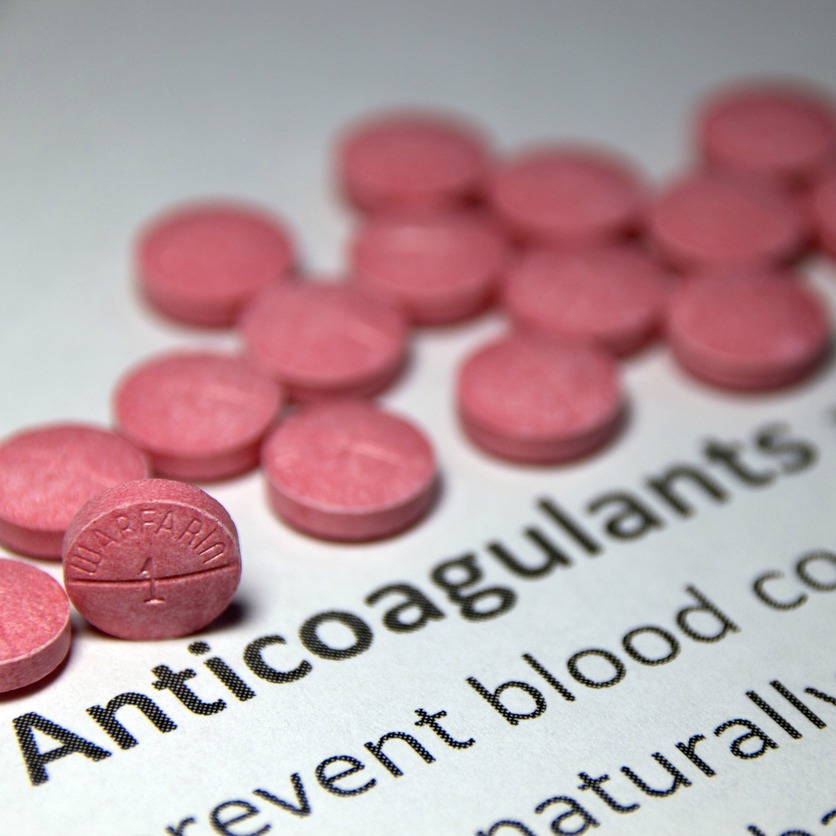
English: Blood thinners are medicines that help prevent harmful blood clots from forming or becoming larger. Some are anticoagulants, while others are antiplatelet medicines. They work in different ways, and they are not interchangeable. The correct medicine depends on the type of surgery, clotting risk, bleeding risk, medical history, and other medicines being taken.
తెలుగు: రక్తనాళాల్లో ప్రమాదకరమైన రక్తపు గడ్డలు ఏర్పడకుండా లేదా ఇప్పటికే ఏర్పడిన గడ్డలు మరింత పెద్దవిగా మారకుండా సహాయపడే మందులను బ్లడ్ థిన్నర్స్ అంటారు. వీటిలో యాంటీకోగ్యులెంట్స్ ఒక రకం కాగా, యాంటీప్లేట్లెట్ మందులు మరొక రకం. ఈ మందులు వేర్వేరు విధానాల్లో పనిచేస్తాయి కాబట్టి ఒకదానికి బదులుగా మరొకటి స్వయంగా వాడకూడదు. ఏ శస్త్రచికిత్స జరిగింది, రక్తం గడ్డకట్టే ప్రమాదం ఎంత ఉంది, రక్తస్రావం ప్రమాదం ఎంత ఉంది, గత వైద్య చరిత్ర ఏమిటి, ఇతర మందులు ఏవి వాడుతున్నారు వంటి అంశాల ఆధారంగా వైద్యుడు మందును నిర్ణయిస్తారు.
Common examples of blood thinners
బ్లడ్ థిన్నర్స్కు కొన్ని ఉదాహరణలు
- Enoxaparin: An anticoagulant commonly given as an injection in appropriate clinical situations.తెలుగు: ఎనోక్సాపారిన్: అవసరమైన వైద్య పరిస్థితుల్లో ఇంజెక్షన్ రూపంలో ఇచ్చే యాంటీకోగ్యులెంట్ మందు.
- Heparin: An anticoagulant used in hospitals and selected treatment settings.తెలుగు: హెపారిన్: ఆసుపత్రుల్లో, కొన్ని ప్రత్యేక వైద్య పరిస్థితుల్లో ఉపయోగించే యాంటీకోగ్యులెంట్ మందు.
- Apixaban and rivaroxaban: Oral anticoagulants that may be prescribed for selected patients, including after certain types of surgery.తెలుగు: అపిక్సాబాన్, రివరోక్సాబాన్: కొన్ని రకాల శస్త్రచికిత్సల తర్వాత ఎంపిక చేసిన రోగులకు వైద్యులు సూచించే నోటిద్వారా తీసుకునే యాంటీకోగ్యులెంట్ మందులు.
- Warfarin: An oral anticoagulant that requires careful monitoring and may require regular blood tests.తెలుగు: వార్ఫరిన్: నోటిద్వారా తీసుకునే యాంటీకోగ్యులెంట్ మందు. దీన్ని వాడే కొంతమందికి రక్తం గడ్డకట్టే స్థాయిని తెలుసుకోవడానికి క్రమం తప్పకుండా రక్త పరీక్షలు అవసరమవుతాయి.
Note: These medicines are not suitable for every patient or every operation. Never choose a blood thinner based on this list without a clinician’s advice.
గమనిక: ఈ మందులన్నీ ప్రతి రోగికి లేదా ప్రతి శస్త్రచికిత్స తర్వాత అవసరం కావు. ఈ జాబితాను చూసి వైద్యుని సలహా లేకుండా ఏ మందునూ స్వయంగా ఎంచుకుని వాడకండి.
Why Are Blood Thinners Prescribed After Surgery?
శస్త్రచికిత్స తర్వాత బ్లడ్ థిన్నర్స్ ఎందుకు సూచిస్తారు?
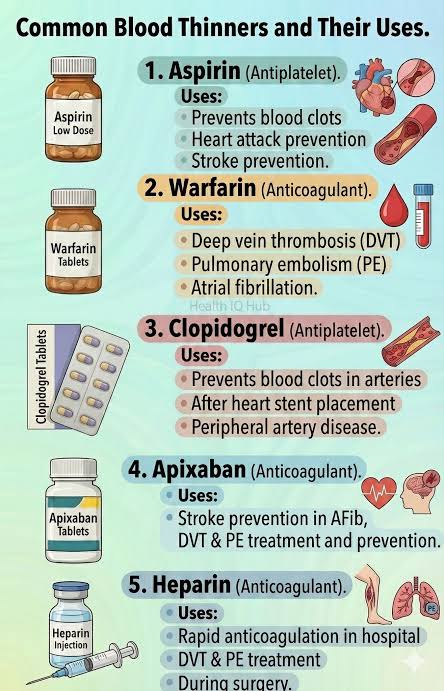
English: Surgery, reduced movement, and some underlying health conditions can increase the risk of venous thromboembolism (VTE). This includes deep vein thrombosis (DVT), a clot commonly found in a deep vein of the leg, and pulmonary embolism (PE), in which a clot travels to the lungs. A pulmonary embolism can be life-threatening.
తెలుగు: శస్త్రచికిత్స, శారీరక కదలికలు తగ్గిపోవడం, కొన్ని ఆరోగ్య సమస్యలు కలిసి వీనస్ థ్రాంబోఎంబోలిజం (VTE) అనే పరిస్థితి ప్రమాదాన్ని పెంచవచ్చు. ఇందులో డీప్ వీన్ థ్రాంబోసిస్ (DVT) అంటే సాధారణంగా కాలి లోతైన రక్తనాళంలో గడ్డ ఏర్పడటం ఒకటి. ఆ గడ్డలో కొంత భాగం ఊపిరితిత్తులకు చేరితే దాన్ని పల్మనరీ ఎంబోలిజం (PE) అంటారు. ఇది ప్రాణాపాయం కలిగించగల అత్యవసర పరిస్థితి.
Main reasons for use
ప్రధాన ఉపయోగాలు
- Preventing blood clots: Blood thinners may be prescribed when the risk of clot formation after surgery is significant.తెలుగు: రక్తపు గడ్డలు ఏర్పడకుండా నివారించడం: శస్త్రచికిత్స తర్వాత రక్తపు గడ్డలు ఏర్పడే ప్రమాదం ఎక్కువగా ఉన్నప్పుడు వాటిని నివారించడానికి ఈ మందులను సూచించవచ్చు.
- Reducing the risk of DVT and PE: These medicines can reduce the likelihood of certain dangerous clots in suitable patients.తెలుగు: DVT, PE ప్రమాదాన్ని తగ్గించడం: సరైన రోగులకు ఈ మందులు ఇవ్వడం ద్వారా కాలి లోతైన రక్తనాళాల్లో గడ్డలు ఏర్పడటం, అవి ఊపిరితిత్తులకు చేరడం వంటి ప్రమాదాలను తగ్గించవచ్చు.
- Treating an existing clot: Some anticoagulants are also used to treat diagnosed blood clots, but the treatment plan differs from routine prevention after surgery.తెలుగు: ఇప్పటికే ఏర్పడిన గడ్డకు చికిత్స: కొన్ని యాంటీకోగ్యులెంట్ మందులను నిర్ధారణ అయిన రక్తపు గడ్డలకు చికిత్స చేయడానికి కూడా ఉపయోగిస్తారు. అయితే ఇప్పటికే గడ్డ ఉన్నప్పుడు ఇచ్చే చికిత్స, శస్త్రచికిత్స తర్వాత గడ్డలు ఏర్పడకుండా నివారించడానికి ఇచ్చే చికిత్స ఒకేలా ఉండకపోవచ్చు.
Not every patient needs medication. Depending on the operation and individual risk, doctors may also recommend early movement, leg exercises, compression devices, or other preventive measures.
ప్రతి రోగికి మందులు అవసరం ఉండవు. శస్త్రచికిత్స రకం, వ్యక్తిగత ప్రమాద స్థాయిని బట్టి వైద్యులు త్వరగా కదలడం, కాళ్లకు తగిన వ్యాయామాలు, కంప్రెషన్ పరికరాలు లేదా ఇతర నివారణ చర్యలను కూడా సూచించవచ్చు.
Dosage Principles: How Are Blood Thinners Taken?
మోతాదు సూత్రాలు: బ్లడ్ థిన్నర్స్ ఎలా తీసుకోవాలి?
English: The correct dose and duration depend on the medicine, type of surgery, body weight, kidney and liver function, bleeding risk, and other medical conditions. Some medicines are injections, while others are tablets. There is no single dose or duration that is right for everyone after surgery.
తెలుగు: సరైన మోతాదు, మందును ఎంతకాలం వాడాలి అనే విషయాలు మందు రకం, చేసిన శస్త్రచికిత్స, శరీర బరువు, మూత్రపిండాలు మరియు కాలేయం పనితీరు, రక్తస్రావం ప్రమాదం, ఇతర ఆరోగ్య సమస్యలపై ఆధారపడి ఉంటాయి. కొన్ని మందులు ఇంజెక్షన్ల రూపంలో ఉంటాయి; మరికొన్ని మాత్రల రూపంలో ఉంటాయి. శస్త్రచికిత్స తర్వాత అందరికీ సరిపోయే ఒకే మోతాదు లేదా ఒకే వ్యవధి ఉండదు.
Safe dosage practices
మోతాదుకు సంబంధించిన సురక్షితమైన పద్ధతులు
- Follow the prescription: Take the medicine at the dose and time prescribed by your surgeon or treating doctor.తెలుగు: ప్రిస్క్రిప్షన్ను పాటించండి: సర్జన్ లేదా చికిత్స చేస్తున్న వైద్యుడు సూచించిన మోతాదులో, నిర్ణయించిన సమయానికి మందు తీసుకోండి.
- Do not change the duration yourself: Some patients need short-term prevention, while others may need a longer course because of their operation or medical history.తెలుగు: వాడే కాలాన్ని స్వయంగా మార్చకండి: కొంతమందికి కొద్దికాలం మాత్రమే నివారణ చికిత్స అవసరమవుతుంది. మరికొందరికి శస్త్రచికిత్స రకం లేదా వైద్య చరిత్రను బట్టి ఎక్కువకాలం అవసరమవచ్చు.
- Do not double a missed dose: Instructions for missed doses differ between medicines. Check the patient leaflet or contact your doctor or pharmacist.తెలుగు: మరిచిపోయిన మోతాదుకు బదులుగా రెండింతలు తీసుకోకండి: ఒక మోతాదు మరిచిపోయినప్పుడు ఏం చేయాలనే సూచనలు మందును బట్టి మారుతాయి. మందుతో ఇచ్చిన సమాచార పత్రాన్ని చూడండి లేదా వైద్యుడు లేదా ఫార్మసిస్ట్ను సంప్రదించండి.
- Do not stop suddenly without advice: Stopping a prescribed anticoagulant early may increase the risk of a clot. If bleeding occurs, seek medical guidance urgently rather than making an independent decision.తెలుగు: వైద్య సలహా లేకుండా అకస్మాత్తుగా ఆపకండి: సూచించిన యాంటీకోగ్యులెంట్ మందును ముందుగానే ఆపితే రక్తపు గడ్డ ఏర్పడే ప్రమాదం పెరగవచ్చు. రక్తస్రావం కనిపిస్తే మీరే మందు ఆపాలా, కొనసాగించాలా అని నిర్ణయించకుండా వెంటనే వైద్య
Side Effects of Blood Thinners
బ్లడ్ థిన్నర్స్ వల్ల కలిగే దుష్ప్రభావాలు
English: The most important side effect is excessive bleeding. Some patients may also experience bruising or mild symptoms, but serious bleeding can occur and needs urgent assessment. The type and frequency of side effects vary by medicine and by the patient’s condition.
తెలుగు: బ్లడ్ థిన్నర్స్లో అత్యంత ముఖ్యమైన దుష్ప్రభావం అధిక రక్తస్రావం. కొంతమందికి శరీరంపై నీలం లేదా ఊదా రంగు మచ్చలు, ఇతర స్వల్ప లక్షణాలు కనిపించవచ్చు. అయితే తీవ్రమైన రక్తస్రావం కూడా సంభవించవచ్చు; అలాంటప్పుడు వెంటనే వైద్య సహాయం అవసరం. దుష్ప్రభావాల రకం, తీవ్రత మందు మరియు రోగి ఆరోగ్య పరిస్థితిని బట్టి మారుతాయి.
Possible side effects
కనిపించవచ్చే దుష్ప్రభావాలు
- Easy bruising: Bruises may appear after minor bumps or without an obvious cause.తెలుగు: సులభంగా మచ్చలు ఏర్పడటం: చిన్నగా తగిలినా శరీరంపై నీలం లేదా ఊదా రంగు మచ్చలు రావచ్చు. కొన్నిసార్లు స్పష్టమైన కారణం లేకుండానే మచ్చలు కనిపించవచ్చు.
- Nose or gum bleeding: Bleeding may occur more easily or take longer to stop.తెలుగు: ముక్కు లేదా చిగుళ్ల నుంచి రక్తస్రావం: ముక్కు లేదా చిగుళ్ల నుంచి రక్తం సులభంగా రావచ్చు లేదా రక్తస్రావం ఆగడానికి సాధారణం కంటే ఎక్కువ సమయం పట్టవచ్చు.
- Stomach discomfort: Some patients may experience nausea or stomach upset, depending on the medicine.తెలుగు: కడుపులో అసౌకర్యం: మందును బట్టి కొంతమందికి వికారం లేదా కడుపులో అసౌకర్యం కలగవచ్చు.
- Heavy menstrual bleeding: Some women may notice heavier or longer menstrual bleeding.తెలుగు: బహిష్టు సమయంలో అధిక రక్తస్రావం: కొంతమంది మహిళల్లో నెలసరి సమయంలో రక్తస్రావం సాధారణం కంటే ఎక్కువగా లేదా ఎక్కువ రోజులపాటు ఉండవచ్చు.
Warning signs that need urgent medical attention
అత్యవసర వైద్య సహాయం అవసరమైన హెచ్చరిక లక్షణాలు
English: Seek urgent medical care for blood in urine, red or black stools, vomiting blood, coughing up blood, bleeding that will not stop, severe or unusual headache, fainting, or significant weakness. After surgery, persistent bleeding from the wound also needs prompt medical assessment. A serious fall or head injury requires urgent evaluation even if there is no immediate bleeding.
తెలుగు: మూత్రంలో రక్తం కనిపించడం, మలంలో ఎర్రటి రక్తం లేదా నల్లటి మలం రావడం, రక్తం వాంతి కావడం, దగ్గుతో రక్తం రావడం, ఆగని రక్తస్రావం, తీవ్రమైన లేదా అసాధారణ తలనొప్పి, స్పృహ తప్పడం లేదా తీవ్రమైన నీరసం వంటి లక్షణాలు ఉంటే వెంటనే వైద్య సహాయం పొందండి. శస్త్రచికిత్స గాయం నుంచి రక్తస్రావం కొనసాగుతున్నా వెంటనే పరీక్ష చేయించుకోవాలి. ముఖ్యంగా తలకు బలంగా దెబ్బ తగిలినా, బయటకు రక్తం కనిపించకపోయినా అత్యవసర వైద్య పరీక్ష అవసరం కావచ్చు.
Emergency warning: Sudden breathlessness, chest pain, coughing up blood, or one-sided leg swelling and pain may indicate a serious clot or another emergency. Do not wait for the next appointment; seek emergency care.
అత్యవసర హెచ్చరిక: అకస్మాత్తుగా ఊపిరి తీసుకోవడంలో ఇబ్బంది, ఛాతినొప్పి, దగ్గుతో రక్తం రావడం లేదా ఒక కాలులో మాత్రమే వాపు, నొప్పి కనిపించడం ప్రమాదకరమైన రక్తపు గడ్డకు లేదా మరొక అత్యవసర సమస్యకు సంకేతం కావచ్చు. తదుపరి అపాయింట్మెంట్ వరకు వేచి ఉండకుండా అత్యవసర వైద్య సహాయం పొందండి.
Precautions Before and After Surgery
శస్త్రచికిత్సకు ముందు, తర్వాత తీసుకోవాల్సిన జాగ్రత్తలు
English: Before surgery, tell your surgeon about every medicine you take, including blood thinners prescribed for heart conditions or previous clots. The surgical team will decide whether a medicine needs to be paused, continued, or restarted at a particular time. Never stop a prescribed medicine on your own.
తెలుగు: శస్త్రచికిత్సకు ముందు మీరు వాడుతున్న అన్ని మందుల వివరాలను సర్జన్కు తెలియజేయండి. గుండె సమస్యల కోసం లేదా గతంలో రక్తపు గడ్డ ఏర్పడిన కారణంగా వాడుతున్న బ్లడ్ థిన్నర్స్ వివరాలనూ చెప్పాలి. ఏ మందును తాత్కాలికంగా ఆపాలి, కొనసాగించాలి లేదా మళ్లీ ఎప్పుడు ప్రారంభించాలి అనే విషయాన్ని వైద్య బృందమే నిర్ణయిస్తుంది. మీరే స్వయంగా మందును ఆపకండి.
Important precautions
ముఖ్యమైన జాగ్రత్తలు
- Tell your doctor about previous bleeding: Inform the team if you have had stomach ulcers, bleeding problems, kidney disease, liver disease, or a previous reaction to a blood thinner.తెలుగు: గతంలో రక్తస్రావం జరిగిన విషయాలు చెప్పండి: కడుపులో అల్సర్లు, రక్తస్రావ సమస్యలు, మూత్రపిండాల లేదా కాలేయ సమస్యలు, గతంలో బ్లడ్ థిన్నర్ వాడినప్పుడు ప్రతిచర్యలు వచ్చిన చరిత్ర ఉంటే వైద్యుడికి తెలియజేయండి.
- Prevent falls and injuries: Move carefully, use support if needed, and follow the recovery instructions given by your healthcare team.తెలుగు: పడిపోవడం, గాయాలు కాకుండా జాగ్రత్తపడండి: నెమ్మదిగా కదలండి, అవసరమైతే సహాయం తీసుకోండి. కోలుకునే సమయంలో వైద్య బృందం ఇచ్చిన సూచనలను పాటించండి.
- Follow movement instructions: Walk or exercise only as permitted after your operation. Do not remain immobile for longer than advised.తెలుగు: కదలికలపై ఇచ్చిన సూచనలు పాటించండి: శస్త్రచికిత్స తర్వాత వైద్యుడు అనుమతించిన మేరకే నడవండి లేదా వ్యాయామం చేయండి. అవసరానికి మించి ఎక్కువసేపు కదలకుండా ఉండకండి.
- Attend recommended monitoring: Some medicines require regular blood tests or review of kidney function and other health measures.తెలుగు: సూచించిన పరీక్షలకు హాజరవండి: కొన్ని మందులు వాడుతున్నప్పుడు క్రమం తప్పకుండా రక్త పరీక్షలు లేదా మూత్రపిండాల పనితీరుతో సహా ఇతర ఆరోగ్య సూచికలను పరిశీలించాల్సి రావచ్చు.
- 6. Drug Interactions: Which Medicines Need Caution?
- 6. ఇతర మందులతో పరస్పర చర్యలు: ఏ మందుల విషయంలో జాగ్రత్త అవసరం?
- English: Some medicines can increase bleeding risk or change how a blood thinner works. Always inform your doctor and pharmacist about prescription medicines, over-the-counter products, vitamins, supplements, and herbal remedies.
- తెలుగు: కొన్ని మందులు రక్తస్రావ ప్రమాదాన్ని పెంచవచ్చు లేదా బ్లడ్ థిన్నర్ పనిచేసే విధానాన్ని మార్చవచ్చు. మీరు వాడుతున్న ప్రిస్క్రిప్షన్ మందులు, డాక్టర్ ప్రిస్క్రిప్షన్ లేకుండా కొనుగోలు చేసే మందులు, విటమిన్లు, సప్లిమెంట్లు, మూలికా ఉత్పత్తుల వివరాలన్నీ వైద్యుడు మరియు ఫార్మసిస్ట్కు తెలియజేయండి.
- Examples of medicines and products that may interact
- పరస్పర చర్యలకు కారణమయ్యే కొన్ని మందులు, ఉత్పత్తులు
- Painkillers such as ibuprofen, naproxen, and aspirin: These may increase bleeding risk with certain anticoagulants. Do not add them without checking with a clinician.తెలుగు: ఇబుప్రోఫెన్, నాప్రోక్సెన్, ఆస్పిరిన్ వంటి నొప్పి నివారణ మందులు: కొన్ని యాంటీకోగ్యులెంట్లతో కలిపి వాడితే రక్తస్రావ ప్రమాదం పెరగవచ్చు. వైద్యుడు లేదా ఫార్మసిస్ట్ను సంప్రదించకుండా వీటిని అదనంగా వాడకండి.
- Other medicines that affect clotting: Taking another anticoagulant or antiplatelet medicine may increase bleeding risk unless specifically prescribed as part of a treatment plan.తెలుగు: రక్తం గడ్డకట్టడంపై ప్రభావం చూపే ఇతర మందులు: మరో యాంటీకోగ్యులెంట్ లేదా యాంటీప్లేట్లెట్ మందును కూడా తీసుకుంటే రక్తస్రావ ప్రమాదం పెరగవచ్చు. వైద్యుడు ప్రత్యేకంగా సూచించిన చికిత్సలో భాగమైతే తప్ప ఈ మందులను కలిపి వాడకండి.
- Antibiotics and other prescription medicines: Some can alter the effects of particular blood thinners.తెలుగు: యాంటీబయాటిక్స్, ఇతర ప్రిస్క్రిప్షన్ మందులు: కొన్ని యాంటీబయాటిక్స్ లేదా ఇతర మందులు నిర్దిష్ట బ్లడ్ థిన్నర్స్ ప్రభావాన్ని మార్చవచ్చు.
- Herbal products and supplements: Products such as St John’s wort and some supplements may interact with anticoagulants. Do not assume that a natural product is automatically safe.తెలుగు: మూలికా ఉత్పత్తులు, సప్లిమెంట్లు: సెయింట్ జాన్స్ వోర్ట్ వంటి మూలికా ఉత్పత్తులు, కొన్ని సప్లిమెంట్లు యాంటీకోగ్యులెంట్లతో పరస్పర చర్యలకు కారణమవచ్చు. సహజమైన ఉత్పత్తి కాబట్టి అది తప్పనిసరిగా సురక్షితమని భావించకండి.
- Special note about warfarin: Changes in vitamin K intake and alcohol consumption can affect warfarin treatment. Ask your healthcare professional how to manage your usual diet and whether you should avoid alcohol.
- వార్ఫరిన్ గురించి ప్రత్యేక గమనిక: ఆహారంలో విటమిన్ K పరిమాణం గణనీయంగా మారడం, మద్యం సేవించడం వార్ఫరిన్ చికిత్సపై ప్రభావం చూపవచ్చు. మీ సాధారణ ఆహారాన్ని ఎలా కొనసాగించాలి, మద్యాన్ని పూర్తిగా నివారించాలా అనే విషయాలను వైద్యుడిని అడగండి.
Drug Interactions: Which Medicines Need Caution?
ఇతర మందులతో పరస్పర చర్యలు: ఏ మందుల విషయంలో జాగ్రత్త అవసరం?
English: Some medicines can increase bleeding risk or change how a blood thinner works. Always inform your doctor and pharmacist about prescription medicines, over-the-counter products, vitamins, supplements, and herbal remedies.
తెలుగు: కొన్ని మందులు రక్తస్రావ ప్రమాదాన్ని పెంచవచ్చు లేదా బ్లడ్ థిన్నర్ పనిచేసే విధానాన్ని మార్చవచ్చు. మీరు వాడుతున్న ప్రిస్క్రిప్షన్ మందులు, డాక్టర్ ప్రిస్క్రిప్షన్ లేకుండా కొనుగోలు చేసే మందులు, విటమిన్లు, సప్లిమెంట్లు, మూలికా ఉత్పత్తుల వివరాలన్నీ వైద్యుడు మరియు ఫార్మసిస్ట్కు తెలియజేయండి.
Examples of medicines and products that may interact
పరస్పర చర్యలకు కారణమయ్యే కొన్ని మందులు, ఉత్పత్తులు
- Painkillers such as ibuprofen, naproxen, and aspirin: These may increase bleeding risk with certain anticoagulants. Do not add them without checking with a clinician.తెలుగు: ఇబుప్రోఫెన్, నాప్రోక్సెన్, ఆస్పిరిన్ వంటి నొప్పి నివారణ మందులు: కొన్ని యాంటీకోగ్యులెంట్లతో కలిపి వాడితే రక్తస్రావ ప్రమాదం పెరగవచ్చు. వైద్యుడు లేదా ఫార్మసిస్ట్ను సంప్రదించకుండా వీటిని అదనంగా వాడకండి.
- Other medicines that affect clotting: Taking another anticoagulant or antiplatelet medicine may increase bleeding risk unless specifically prescribed as part of a treatment plan.తెలుగు: రక్తం గడ్డకట్టడంపై ప్రభావం చూపే ఇతర మందులు: మరో యాంటీకోగ్యులెంట్ లేదా యాంటీప్లేట్లెట్ మందును కూడా తీసుకుంటే రక్తస్రావ ప్రమాదం పెరగవచ్చు. వైద్యుడు ప్రత్యేకంగా సూచించిన చికిత్సలో భాగమైతే తప్ప ఈ మందులను కలిపి వాడకండి.
- Antibiotics and other prescription medicines: Some can alter the effects of particular blood thinners.తెలుగు: యాంటీబయాటిక్స్, ఇతర ప్రిస్క్రిప్షన్ మందులు: కొన్ని యాంటీబయాటిక్స్ లేదా ఇతర మందులు నిర్దిష్ట బ్లడ్ థిన్నర్స్ ప్రభావాన్ని మార్చవచ్చు.
- Herbal products and supplements: Products such as St John’s wort and some supplements may interact with anticoagulants. Do not assume that a natural product is automatically safe.తెలుగు: మూలికా ఉత్పత్తులు, సప్లిమెంట్లు: సెయింట్ జాన్స్ వోర్ట్ వంటి మూలికా ఉత్పత్తులు, కొన్ని సప్లిమెంట్లు యాంటీకోగ్యులెంట్లతో పరస్పర చర్యలకు కారణమవచ్చు. సహజమైన ఉత్పత్తి కాబట్టి అది తప్పనిసరిగా సురక్షితమని భావించకండి.
Special note about warfarin: Changes in vitamin K intake and alcohol consumption can affect warfarin treatment. Ask your healthcare professional how to manage your usual diet and whether you should avoid alcohol.
వార్ఫరిన్ గురించి ప్రత్యేక గమనిక: ఆహారంలో విటమిన్ K పరిమాణం గణనీయంగా మారడం, మద్యం సేవించడం వార్ఫరిన్ చికిత్సపై ప్రభావం చూపవచ్చు. మీ సాధారణ ఆహారాన్ని ఎలా కొనసాగించాలి, మద్యాన్ని పూర్తిగా నివారించాలా అనే విషయాలను వైద్యుడిని అడగండి.
Tips for Safe Recovery After Surgery
శస్త్రచికిత్స తర్వాత సురక్షితంగా కోలుకోవడానికి సూచనలు
English: Take medicines according to your discharge instructions, keep follow-up appointments, and learn the warning signs of both bleeding and blood clots. Your recovery plan may include movement, hydration guidance, leg exercises, or compression devices, depending on your operation and overall health.
తెలుగు: ఆసుపత్రి నుంచి డిశ్చార్జ్ సమయంలో ఇచ్చిన సూచనల ప్రకారం మందులు వాడండి. ఫాలో-అప్ అపాయింట్మెంట్లకు వెళ్లండి. రక్తస్రావం, రక్తపు గడ్డలకు సంబంధించిన హెచ్చరిక లక్షణాలను తెలుసుకోండి. మీ శస్త్రచికిత్స, ఆరోగ్య పరిస్థితిని బట్టి నడక, తగినంత ద్రవాలు తీసుకోవడం, కాళ్ల వ్యాయామాలు లేదా కంప్రెషన్ పరికరాలు వంటి చర్యలు కోలుకునే ప్రణాళికలో భాగంగా ఉండవచ్చు.
English: Keep a current list of your medicines and carry it when visiting a doctor, dentist, or hospital. Tell every healthcare professional that you are taking a blood thinner, especially before another procedure.
తెలుగు: మీరు వాడుతున్న మందుల తాజా జాబితాను దగ్గర ఉంచుకుని, వైద్యుడు, దంతవైద్యుడు లేదా ఆసుపత్రికి వెళ్లినప్పుడు తీసుకెళ్లండి. మీరు బ్లడ్ థిన్నర్ వాడుతున్నారని ప్రతి వైద్య నిపుణుడికి తెలియజేయండి. ముఖ్యంగా మరో శస్త్రచికిత్స లేదా వైద్య ప్రక్రియ చేయించుకునే ముందు తప్పనిసరిగా చెప్పాలి.
Frequently Asked Questions (FAQs)
తరచుగా అడిగే ప్రశ్నలు
Q1. Does every patient need blood thinners after surgery?
ప్రతి రోగికి శస్త్రచికిత్స తర్వాత బ్లడ్ థిన్నర్స్ అవసరమా?
English: No. The need depends on the type of operation, the risk of blood clots, the risk of bleeding, and the patient’s medical history. Some patients may need other preventive measures instead of medication.
తెలుగు: అవసరం లేదు. ఏ శస్త్రచికిత్స జరిగింది, రక్తపు గడ్డ ఏర్పడే ప్రమాదం ఎంత ఉంది, రక్తస్రావ ప్రమాదం ఎంత ఉంది, రోగి గత వైద్య చరిత్ర ఏమిటి అనే అంశాలపై నిర్ణయం ఆధారపడి ఉంటుంది. కొంతమందికి మందులకు బదులుగా లేదా వాటితో పాటు ఇతర నివారణ చర్యలు అవసరమవచ్చు.
Q2. How long should blood thinners be taken after surgery? శస్త్త తర్వాత బ్లడ్ థిన్నర్స్ ఎంతకాలం వాడాలి?
English: There is no universal duration. Some patients need a short course, while others may need longer treatment. Follow the duration prescribed by your treating doctor.
తెలుగు: అందరికీ ఒకే వ్యవధి ఉండదు. కొంతమందికి కొద్దికాలం సరిపోవచ్చు; మరికొందరికి ఎక్కువకాలం అవసరమవుతుంది. మీకు చికిత్స చేస్తున్న వైద్యుడు సూచించిన కాలం వరకే మందును వాడండి.
Q3. Can blood thinners cause bleeding from the surgical wound?
బ్లడ్ థిన్నర్స్ వల్ల శస్త్రచికిత్స గాయం నుంచి రక్తస్రావం కావచ్చా?
English: Yes. Blood thinners can increase bleeding risk, including bleeding from a surgical wound. Persistent, heavy, or increasing wound bleeding requires prompt medical attention.
తెలుగు: అవును. బ్లడ్ థిన్నర్స్ వల్ల శస్త్రచికిత్స గాయం నుంచి కూడా రక్తస్రావం జరిగే ప్రమాదం పెరగవచ్చు. గాయం నుంచి రక్తం నిరంతరం రావడం, అధికంగా రావడం లేదా రక్తస్రావం పెరుగుతుండడం కనిపిస్తే వెంటనే వైద్య సహాయం పొందండి.
Q4. Can I take painkillers while using blood thinners?
బ్లడ్ థిన్నర్స్ వాడుతున్నప్పుడు నొప్పి నివారణ మందులు తీసుకోవచ్చా?
English: Some painkillers, including ibuprofen, naproxen, and aspirin, may increase bleeding risk. Ask your doctor or pharmacist which pain relief option is suitable for you.
తెలుగు: ఇబుప్రోఫెన్, నాప్రోక్సెన్, ఆస్పిరిన్ వంటి కొన్ని నొప్పి నివారణ మందులు రక్తస్రావ ప్రమాదాన్ని పెంచవచ్చు. మీకు ఏ నొప్పి నివారణ మందు సరిపోతుందో వైద్యుడు లేదా ఫార్మసిస్ట్ను అడిగి తెలుసుకోండి.
Q5. What should I do if I miss a dose?
ఒక మోతాదు మరిచిపోతే ఏం చేయాలి?
English: Advice depends on the specific medicine and how long it has been since the missed dose. Check the medicine instructions or contact your healthcare professional. Do not take a double dose unless specifically instructed.
తెలుగు: మీరు వాడుతున్న మందు రకం, మోతాదు మరిచిపోయి ఎంతసేపు అయింది అనే అంశాలపై సూచనలు ఆధారపడి ఉంటాయి. మందుతో ఇచ్చిన సూచనలను చూడండి లేదా వైద్య నిపుణుడిని సంప్రదించండి. ప్రత్యేకంగా సూచించకపోతే రెండింతల మోతాదు తీసుకోకండి.
Q6. Can I stop a blood thinner when I feel better?
ఆరోగ్యం మెరుగుపడితే బ్లడ్ థిన్నర్ ఆపవచ్చా?
English: Do not stop it on your own. Stopping early may increase the risk of a blood clot. Contact your treating doctor before making any change.
తెలుగు: మీరే స్వయంగా మందును ఆపకండి. ముందుగానే ఆపితే రక్తపు గడ్డ ఏర్పడే ప్రమాదం పెరగవచ్చు. మందులో మార్పు చేసే ముందు మీకు చికిత్స చేస్తున్న వైద్యుడిని సంప్రదించండి.
Q7. What are the signs of a blood clot after surgery?
శస్త్రచికిత్స తర్వాత రక్తపు గడ్డ ఏర్పడితే ఎలాంటి లక్షణాలు కనిపించవచ్చు?
English: One-sided leg swelling, pain, warmth, or redness may indicate DVT. Sudden breathlessness, chest pain, or coughing up blood may indicate a pulmonary embolism. Seek emergency medical care for these symptoms.
తెలుగు: ఒక కాలులో మాత్రమే వాపు, నొప్పి, వేడిగా అనిపించడం లేదా ఎర్రబడటం DVTకు సంకేతాలు కావచ్చు. అకస్మాత్తుగా ఊపిరి తీసుకోవడంలో ఇబ్బంది, ఛాతినొప్పి లేదా దగ్గుతో రక్తం రావడం ఊపిరితిత్తుల్లో రక్తపు గడ్డకు సంకేతాలు కావచ్చు. ఈ లక్షణాలు కనిపిస్తే అత్యవసర వైద్య సహాయం పొందండి.
Q8. Are blood thinners safe for everyone?
బ్లడ్ థిన్నర్స్ అందరికీ సురక్షితమేనా?
English: No medicine is suitable for everyone. Doctors balance the benefit of preventing clots against the risk of bleeding and consider the patient’s health, other medicines, and type of surgery.
తెలుగు: ప్రతి మందు అందరికీ సరిపోదు. రక్తపు గడ్డలను నివారించడం వల్ల కలిగే ప్రయోజనాలను, రక్తస్రావ ప్రమాదంతో పోల్చి వైద్యులు నిర్ణయం తీసుకుంటారు. రోగి ఆరోగ్య పరిస్థితి, ఇతర మందులు, శస్త్రచికిత్స రకం వంటి అంశాలను పరిగణనలోకి తీసుకుంటారు.
Conclusion
ముగింపు
English: Blood thinners can play an important role in preventing dangerous blood clots after selected surgeries. Their benefits depend on choosing the appropriate medicine, taking it correctly, following the prescribed duration, and recognizing warning signs of bleeding or clotting. Always follow your surgical team’s instructions.
తెలుగు: కొన్ని శస్త్రచికిత్సల తర్వాత ప్రమాదకరమైన రక్తపు గడ్డలు ఏర్పడకుండా నివారించడంలో బ్లడ్ థిన్నర్స్ ముఖ్యమైన పాత్ర పోషించవచ్చు. సరైన మందును ఎంచుకోవడం, సూచించిన విధంగా వాడటం, నిర్ణయించిన కాలం కొనసాగించడం, రక్తస్రావం లేదా రక్తపు గడ్డలకు సంబంధించిన హెచ్చరిక లక్షణాలను గుర్తించడం వల్ల చికిత్సను మరింత సురక్షితంగా నిర్వహించవచ్చు. మీకు చికిత్స చేస్తున్న వైద్య బృందం సూచనలను ఎల్లప్పుడూ పాటించండి.
Medical Disclaimerవైద్య నిరాకరణ ప్రకటన
English: This article is for general educational purposes only. It is not a substitute for professional medical advice, diagnosis, or treatment. Blood thinners can cause serious bleeding and must be used only under appropriate medical supervision. Do not start, stop, change, or share these medicines based on this article. If you experience severe bleeding, sudden breathlessness, chest pain, or other emergency symptoms, seek immediate medical care.
తెలుగు: ఈ వ్యాసం సాధారణ ఆరోగ్య అవగాహన కోసం మాత్రమే రూపొందించబడింది. ఇది వైద్యుని సలహా, నిర్ధారణ లేదా చికిత్సకు ప్రత్యామ్నాయం కాదు. బ్లడ్ థిన్నర్స్ వల్ల తీవ్రమైన రక్తస్రావం జరగవచ్చు కాబట్టి వైద్య పర్యవేక్షణలో మాత్రమే వాడాలి. ఈ వ్యాసాన్ని ఆధారంగా చేసుకుని మందును స్వయంగా ప్రారంభించడం, ఆపడం, మోతాదు మార్చడం లేదా ఇతరులకు ఇవ్వడం చేయకండి. తీవ్రమైన రక్తస్రావం, అకస్మాత్తుగా ఊపిరి తీసుకోవడంలో ఇబ్బంది, ఛాతినొప్పి లేదా ఇతర అత్యవసర లక్షణాలు కనిపిస్తే వెంటనే వైద్య సహాయం పొందండి.
Author: Maddela Shekar, D. Pharmacy
Pharmacist | Health Educator | Founder of HealthVista360
Providing reliable health and medicine information in English & Telugu.