
Introduction
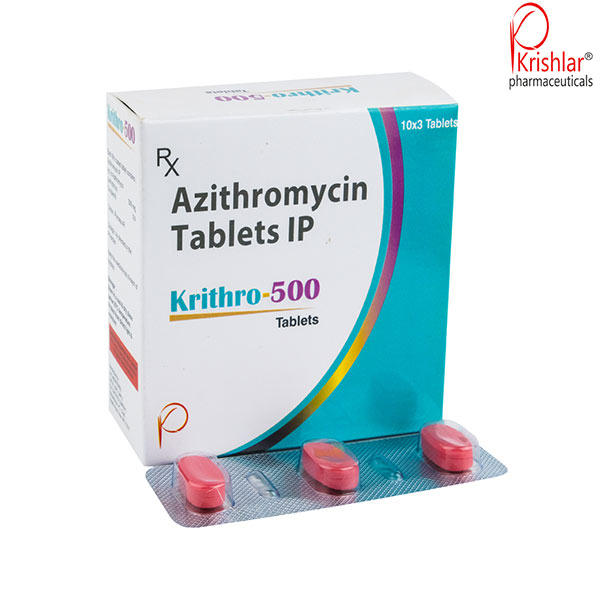
Azithromycin is a widely used antibiotic medication that helps treat various bacterial infections. It belongs to a group of medicines called macrolide antibiotics, which work by stopping the growth of bacteria.
Doctors commonly prescribe azithromycin for infections affecting the respiratory tract, skin, throat, and ears.
What is Azithromycin Used For?
Azithromycin is effective against many bacterial infections, including:
- Respiratory infections (bronchitis, pneumonia)
- Throat infections (pharyngitis, tonsillitis)
- Ear infections (otitis media)
- Skin infections
- Sinus infections
- Some sexually transmitted infections (like chlamydia)
> It is important to note:
Azithromycin does NOT work against viral infections like cold or flu.
How Does Azithromycin Work?
Azithromycin works by inhibiting bacterial protein synthesis, which stops bacteria from growing and multiplying. This allows the body’s immune system to eliminate the infection effectively.
Dosage & How to Take
- Usually taken once daily
- Can be taken with or without food
- Follow your doctor’s prescription strictly
> Common course duration:
- 3 days / 5 days depending on infection
> Important:
- Complete the full course even if you feel better
- Do not skip doses
Possible Side Effects
Most side effects are mild, but some may occur:
Common Side Effects:
- Nausea
- Vomiting
- Diarrhea
- Abdominal pain
Serious (Rare):
- Liver problems
- Severe allergic reactions
- Irregular heartbeat
Seek medical help if you experience severe symptoms.
Who Should Avoid Azithromycin?
Consult a doctor before using if you have:
- Liver disease
- Heart rhythm disorders
- Allergy to macrolide antibiotics
- Pregnant or breastfeeding
🔄 Drug Interactions
Azithromycin may interact with:
- Antacids (reduce absorption)
- Blood thinners (like warfarin)
- Heart rhythm medicines
Always inform your doctor about all medications you are taking.
Important Safety Tips
- Do not self-medicate
- Avoid alcohol during treatment
- Use only for bacterial infections
- Overuse may lead to antibiotic resistance
Frequently Asked Questions (FAQ)
1. Can I take azithromycin for cold or flu?
No. It is not effective against viral infections.
2. How quickly does azithromycin work?
Most patients feel better within 2–3 days, but complete the course.
3. Can I stop taking it early?
No. Stopping early may cause infection to return.
4. Is azithromycin safe?
Yes, when used as prescribed by a doctor.
Disclaimer
This article is for educational purposes only and should not replace professional medical advice. Always consult a qualified doctor before taking any medication.